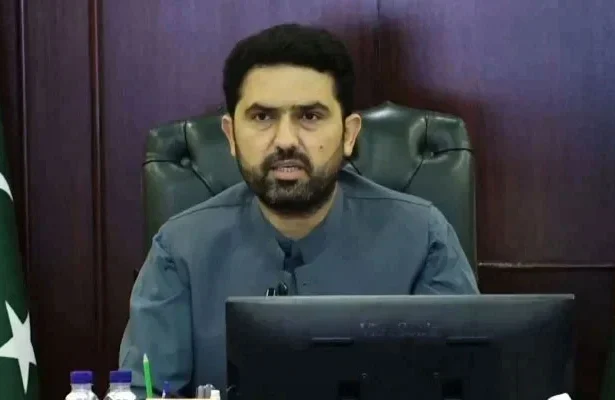




Khyber Pakhtunkhwa (KP) recorded 3,767 terrorism-related incidents during the tenure of the Pakistan Tehreek-e-Insaf (PTI)-led provincial government under Chief Minister Sohail Afridi, according to an official report. The reported incidents resulted in 1,149 deaths and 2,595 injuries, highlighting the security challenges facing the province.
According to the report, the fatalities included 550 security personnel and 599 civilians. Of the injured, 1,704 were security personnel and 891 were civilians. The figures have emerged amid the political dispute over the federal government’s decision to introduce emergency measures and governor’s rule in the province, with the security situation cited as a factor in the debate.
The assessment raised concerns about provincial governance, counterterrorism preparedness and coordination between provincial authorities and federal security institutions. It questioned whether the provincial administration had devoted sufficient attention to security while engaging in political confrontations with the federal government. These observations represent the report’s assessment and do not independently establish that provincial decisions were solely responsible for the rise in militant violence.
The report also referred to political activities during the PTI-led government’s tenure, stating that since the party assumed power in March 2024, the province had witnessed 18 major protest events, including four long marches. It questioned whether political confrontations had affected the attention given to security challenges and called for stronger cooperation between provincial and federal authorities.
Operational shortcomings within the provincial police and the Counter Terrorism Department (CTD) were also highlighted. The reported gaps included shortages of modern weapons, armoured vehicles, surveillance equipment, specialised training and technically skilled personnel. The assessment further identified deficiencies in forensic capabilities and dedicated CTD infrastructure, which it said limited law enforcement agencies’ ability to respond effectively to militant threats.
The report noted that more than Rs800 billion had been provided to Khyber Pakhtunkhwa between 2010 and 2026 to support counterterrorism efforts and strengthen security institutions. It questioned why this funding had not translated into the level of operational preparedness and institutional capacity it considered necessary. The report also linked the resurgence of militancy partly to the provincial government’s reconciliation policy towards militants in 2021, alleging that the administration had offered limited political support for counterterrorism operations and had opposed certain security operations.
The assessment placed the provincial situation within Pakistan’s wider security context, referring to the Global Terrorism Index 2026, published by the Institute for Economics and Peace, which ranked Pakistan as the country most affected by terrorism. It called for stronger leadership, improved counterterrorism capabilities and more effective coordination among security agencies.
The findings have added to the political debate surrounding the federal government’s emergency measures and the reported move towards governor’s rule in KP. The security figures, funding and institutional shortcomings cited in the report are now part of the wider dispute over responsibility for militancy and the measures required to address it. The report’s claims should be understood as the assessment presented by its authors rather than proof that one level of government alone caused the province’s security problems.
KP Reports 3,767 Terrorism-Related Incidents During Sohail Afridi Government, Official Assessment Says