




Pakistan has called for stronger international action to eliminate conflict-related sexual violence, urging the global community to ensure consistent, effective, and non-discriminatory accountability in all armed conflicts and situations of foreign occupation.
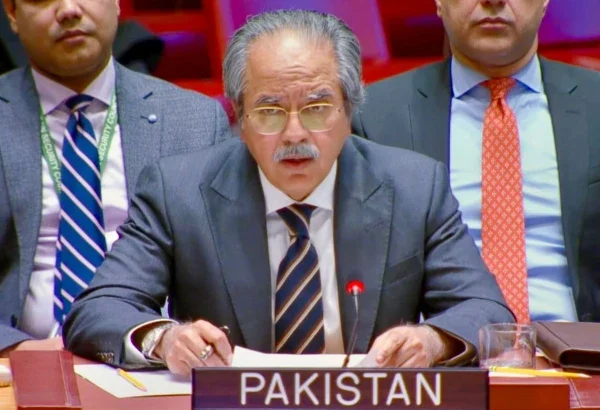
Speaking during an open debate at the United Nations Security Council (UNSC), Pakistan’s Permanent Representative to the United Nations, Ambassador Asim Iftikhar Ahmad, emphasized that sexual violence is not an inevitable consequence of war but is often used deliberately as a weapon to terrorize civilians, spread fear, and impose collective punishment.
The Pakistani envoy highlighted the devastating humanitarian consequences of such crimes, stating that they inflict long-term physical, psychological, and social harm on victims while leaving lasting scars on families and communities affected by conflict.
Pakistan urged the UN Security Council to apply international law fairly and consistently by ensuring equal accountability for perpetrators regardless of where conflicts occur. The country stressed that justice should not be selective and called for impartial implementation of international humanitarian and human rights law.
The statement also emphasized the importance of comprehensive assistance for survivors, including access to emergency medical care, psychological support, legal services, rehabilitation, and economic opportunities to help rebuild their lives. Pakistan noted that restoring the dignity of survivors and ensuring access to justice remains a shared responsibility of the international community.
Pakistan further called for stronger measures to protect women and other vulnerable groups during armed conflicts, urging all parties to comply fully with their obligations under international humanitarian law and to prevent violence against civilians.
Reaffirming its support for global initiatives aimed at combating conflict-related sexual violence, Pakistan stressed that stronger international cooperation, effective legal mechanisms, and consistent enforcement of international law are essential to preventing such crimes and ensuring accountability.
The country concluded by urging the international community to work collectively to end the use of sexual violence as a weapon of war while guaranteeing justice, protection, and long-term support for victims and survivors worldwide.