





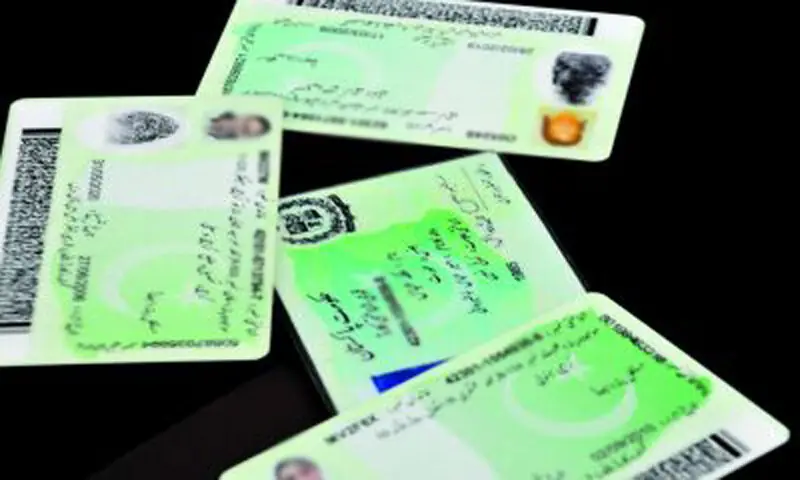
The Pakistan Medical and Dental Council (PMDC) has introduced a new requirement for MDCAT 2026, making it mandatory for candidates under the age of 18 to present a valid Juvenile Registration Card (JRC). The decision has sparked widespread criticism from parents, who say the move adds financial and logistical burdens.
Under the updated policy, students must obtain a Juvenile Registration Card issued by NADRA before appearing in the Medical and Dental Colleges Admission Test. In addition, biometric verification will also be compulsory at test centres, affecting nearly 200,000 candidates expected to sit for MDCAT 2026.
Parents have raised concerns over the cost and effort required to obtain the document. Many families, especially those already facing financial challenges, argue that the requirement forces them to spend additional money and stand in long queues. Some have suggested that existing documents, such as matriculation certificates, should be accepted instead.
Another major concern is the limited validity of the Juvenile Registration Card for candidates close to turning 18. Parents argue that the card may expire within a year, making the process inefficient and unnecessary for many students.
Responding to the criticism, PMDC officials said the decision is part of a broader digitisation initiative aimed at improving documentation and verification processes. The council also stated that similar instructions were issued previously but were not strictly enforced.
Officials believe the policy will help increase awareness and registration among citizens, though parents continue to demand reconsideration of the requirement. The debate highlights the growing tension between regulatory reforms and accessibility in Pakistan’s education system.