



Pakistan Tehreek-e-Insaf (PTI) has officially rejected the results of the Gilgit-Baltistan Assembly elections, alleging widespread electoral irregularities and announcing plans to publish a comprehensive white paper outlining its objections to the electoral process.
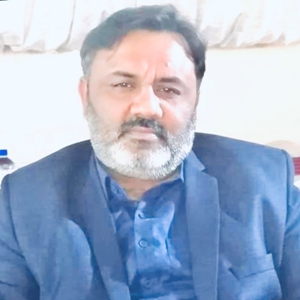
Addressing a press conference, PTI Chairman Barrister Gohar Ali Khan stated that the party’s primary focus was to expose what he described as serious irregularities that allegedly affected the transparency and credibility of the Gilgit-Baltistan elections held on Sunday.
According to Barrister Gohar, PTI faced significant obstacles during the election campaign. He alleged that the party was prevented from conducting effective campaigning in the days leading up to polling and claimed that these restrictions were part of a deliberate strategy to exclude PTI from the democratic process.
The PTI chairman maintained that several PTI-backed candidates had initially been in strong positions to secure victories. He said that Naik Karim in Hunza and Sohail Abbas in Gilgit were among the party-backed candidates leading in their constituencies. He also highlighted that Muhammad Kazim, contesting with the support of PTI ally Majlis Wahdat-i-Muslimeen (MWM), was ahead in Skardu.
Barrister Gohar further claimed that PTI-backed candidates were on track to win eight constituencies overall, including seats in Astore, Diamer, Nagar, Ghizer, and other districts. However, he alleged that these anticipated victories were reversed through practices such as vote stuffing, bogus voting, and manipulation of the counting process.
PTI Demands Re-Elections
PTI announced that it had formally requested re-elections in specific constituencies, particularly in Rehmanpur, Astore. According to the party, evidence of at least 167 allegedly bogus votes was presented before the relevant presiding officer.
Barrister Gohar emphasized that PTI completely rejects the election process, the vote count, and the declared results. He reiterated that the party would continue pursuing legal and constitutional avenues to challenge the outcome.
The PTI chairman also demanded that the party be allocated representation through the reserved seats in the Gilgit-Baltistan Assembly. He called for PTI to receive one of the six reserved seats designated for women and one of the three reserved seats allocated to technocrats and professionals.
Black Day and Protest Announcement
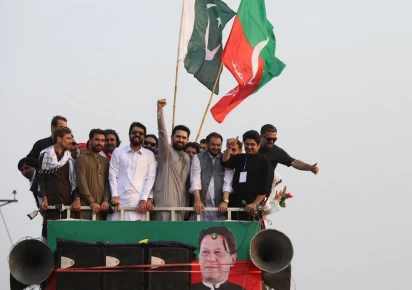
As part of its protest strategy, PTI announced that it would observe a black day when the newly elected members of the Gilgit-Baltistan Assembly take oath.
Barrister Gohar stated that the party would also organize demonstrations in Gilgit-Baltistan following consultations with its political allies. The planned protests, according to party leaders, are intended to highlight concerns regarding the integrity of the electoral process.
Opposition Alliance Supports PTI’s Position
PTI’s stance received support from the opposition alliance Tehreek-i-Tahafuz Ayeen-i-Pakistan, which held a consultative meeting under the leadership of National Assembly Opposition Leader Mehmood Khan Achakzai.
Following the meeting, the alliance issued a statement condemning what it described as attempts to sideline PTI from the democratic process during the Gilgit-Baltistan elections.
The alliance argued that the GB polls resembled a repeat of the 2024 general elections and questioned the purpose of conducting elections if outcomes were allegedly predetermined elsewhere.
According to the statement, the controversy surrounding the elections had damaged public trust in both the Election Commission and the broader electoral system.
Growing Political Debate
PTI’s rejection of the Gilgit-Baltistan election results reflects concerns the party had raised even before polling day. In the lead-up to the elections, PTI repeatedly alleged pre-poll rigging, restrictions on political activities, and interference that could influence the outcome.
The developments have intensified political debate over electoral transparency, democratic participation, and the credibility of election management in Pakistan. With PTI preparing its white paper and opposition parties backing its objections, the controversy surrounding the Gilgit-Baltistan elections is likely to remain a significant national political issue in the coming weeks.
As final results continue to shape the political landscape in Gilgit-Baltistan, all eyes remain on the Election Commission, political stakeholders, and the legal avenues that m