





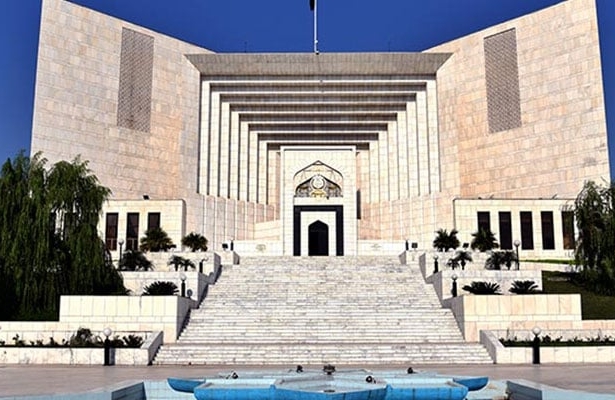
ISLAMABAD: The Supreme Court of Pakistan has delivered a significant judgment in a case involving the misuse of a fabricated marriage claim to conceal serious allegations of sexual assault. A three-member bench led by Chief Justice Yahya Afridi dismissed the petitioner’s appeal and imposed a fine of PKR 1 million, citing abuse of legal process and violation of constitutional protections.
According to the ruling, the petitioner attempted to justify his actions by asserting that he had entered into a “Sharia Nikah” with the victim. However, the court determined that the claim lacked legal and factual basis. The bench clarified that under both Islamic jurisprudence and Pakistani family law, a man cannot remain married to a woman and her biological niece simultaneously. The petitioner’s assertion that he had divorced his first wife was rejected as unsubstantiated.
In its detailed judgment, the Supreme Court emphasized that the judicial system cannot be used as a shield to legitimize unlawful conduct or to undermine the dignity of individuals. Referring to Article 14 of the Constitution of Pakistan, the bench reaffirmed that human dignity is inviolable and must be protected at all times.
A notable aspect of the ruling addressed the status and welfare of the child born from the disputed relationship. Although the court declared that no valid marriage (Nikah) had taken place, it formally recognized the petitioner as the biological father. The bench underscored that a biological father remains legally responsible for financial support and maintenance (Nan-o-Nafqah), regardless of the legality of the relationship between the parents.
The court observed that an innocent child cannot be deprived of fundamental rights due to the unlawful acts or disputes involving adults. By imposing a financial penalty and dismissing the appeal, the Supreme Court reinforced accountability while upholding constitutional safeguards, victim protection principles, and child welfare considerations.
Legal experts note that the judgment sends a strong message regarding the misuse of religious or legal claims to evade responsibility and highlights the judiciary’s commitment to safeguarding dignity, fairness, and the rule of law.