




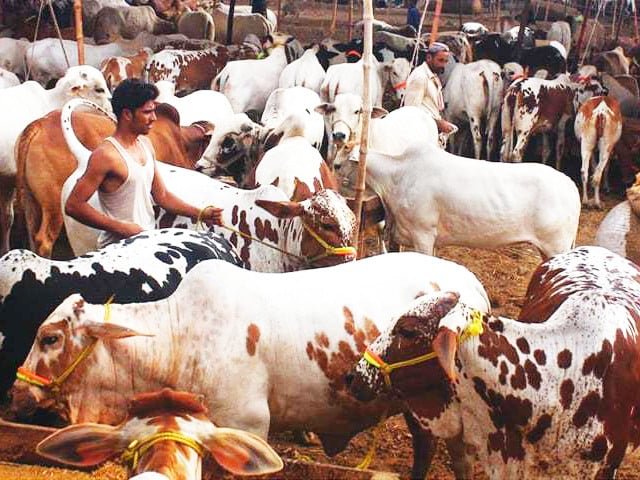
The trade of sacrificial animals has officially begun in Lahore as all eight designated cattle markets open ahead of Eidul Azha. However, buyers are facing record-high prices this year, along with growing health concerns due to a Congo virus alert issued by authorities.
To address potential health risks, veterinary doctors and support staff are being deployed across all cattle markets. Their role is to examine animals and ensure that infected livestock does not enter the markets. Citizens have also been advised to carefully inspect animals, especially for ticks, before making a purchase.
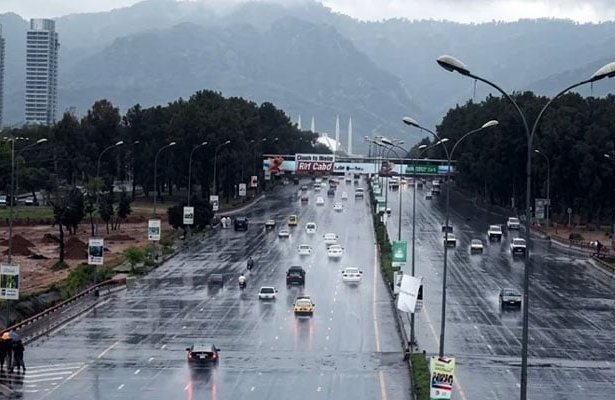
As trading activity increases, traffic congestion has become a major issue around key markets, particularly near the central Bhata cattle market. The influx of trucks and trailers carrying animals has caused severe gridlock, affecting nearby businesses and daily commuters. Residents have called for restrictions on transport vehicle movement during daytime hours to ease congestion.
In addition to high animal prices, transportation costs have also surged significantly. Buyers are paying between Rs2,500 and Rs3,000 for short-distance loading and unloading, adding to the overall expense of purchasing sacrificial animals.
Market rates this year have seen a sharp increase across all categories. Ordinary goats are priced between Rs90,000 and Rs120,000, while medium-sized animals can cost up to Rs150,000. Premium breeds are being sold for as high as Rs300,000 to Rs500,000.
Similarly, cattle prices have also risen dramatically. Ordinary bulls are available at around Rs240,000, while high-quality bulls can cost between Rs800,000 and Rs1.4 million.
The rising prices, combined with additional transport costs and health concerns, have made this year’s Eidul Azha preparations more challenging for many buyers. Authorities continue to monitor the situation closely to ensure safety and better management at cattle markets.