



The Pakistan Poultry Association (PPA) has expressed serious concerns over the federal budget 2026-27, stating that the government failed to provide meaningful relief to one of the country’s most important agro-based industries despite repeated assurances during consultations.
In an official statement, the association said the continuation of various taxes on poultry production inputs would significantly increase operational costs, discourage investment, weaken export competitiveness, and potentially threaten Pakistan’s food security.
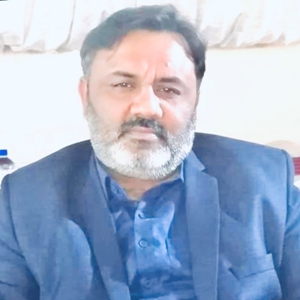
PPA Chairman Abdul Basit, Vice Chairman Malik Muhammad Sharif, along with senior members Dr FM Sabir and Khaleeque Arshad, urged the government to reconsider the taxation measures before Parliament approves the final Finance Bill.
The association highlighted that the poultry sector is one of Pakistan’s largest organised industries, contributing significantly to employment generation, rural economic development, affordable protein supply, and national food security. Industry leaders also stressed that Pakistan possesses substantial untapped potential in exporting value-added poultry products to international markets.
Major Tax Concerns Raised by the Poultry Industry
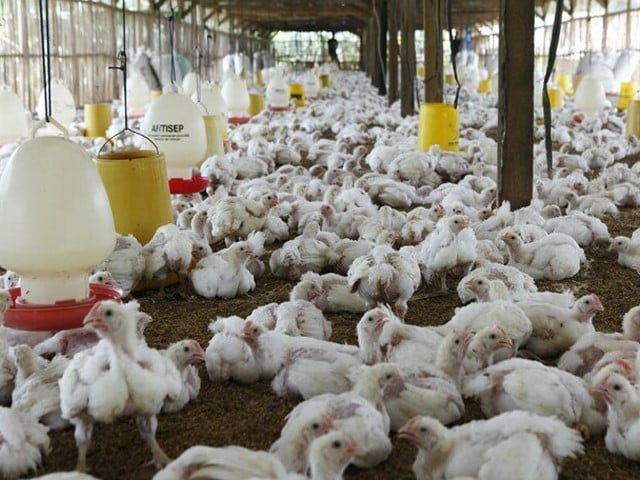
One of the primary concerns is the continuation of the Rs10 Federal Excise Duty (FED) on every day-old chick. According to the PPA, day-old chicks represent the starting point of the entire poultry production chain. Imposing taxes at this stage increases farming costs from the beginning, which eventually translates into higher prices for consumers purchasing chicken meat and eggs.
The association also criticised the government’s decision to maintain an 18% sales tax on processed chicken products. Industry representatives argue that this discourages investment in modern poultry processing facilities and undermines efforts to promote hygienic, value-added food production. They believe such taxation disadvantages formal businesses while making safer processed products less affordable for consumers.
Another major issue involves the continued import duties and sales taxes on critical poultry feed ingredients, including soybean meal, vitamins, amino acids, and minerals. Since feed accounts for approximately 70% to 75% of total poultry production costs, even minor increases in feed expenses significantly impact the final retail prices of poultry products.
The PPA leadership stated that they had remained engaged with policymakers for several months and were repeatedly assured that these anomalies would be addressed in the upcoming budget. However, the final budget proposals failed to meet the industry’s expectations.
Industry experts warn that without immediate policy adjustments, consumers may soon face higher chicken and egg prices, while producers could struggle with shrinking profit margins and reduced competitiveness.
The association has appealed to the government to revisit these taxation measures and introduce practical relief that supports investment, stabilises food prices, and strengthens Pakistan’s poultry industry for long-term growth.