



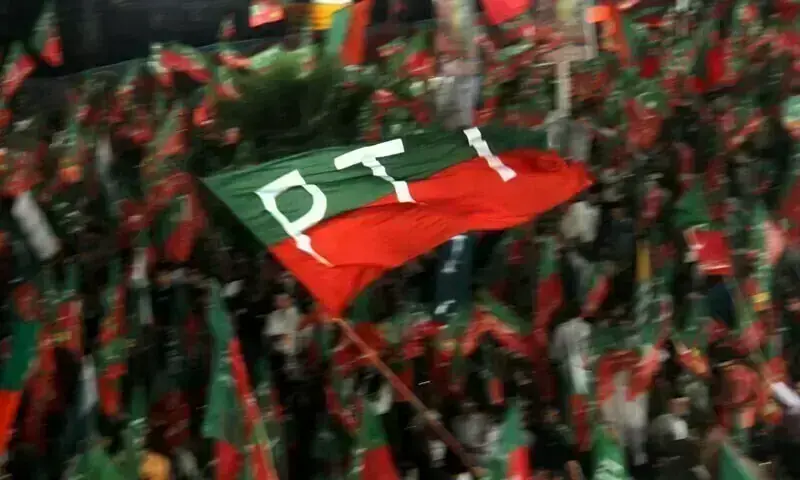
Pakistan Tehreek-e-Insaf’s (PTI) farmers’ wing has strongly criticised the federal budget for 2026-27, describing it as “anti-farmer” and “anti-agriculture.” Party representatives argued that the measures announced by the government fall short of addressing the genuine concerns of Pakistan’s farming community and rural economy.
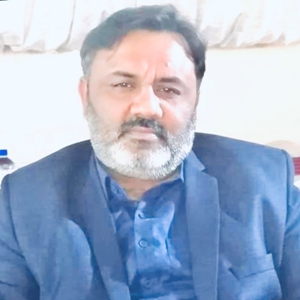
Speaking at a press conference in Islamabad, PTI Farmers’ Wing Central Secretary Information Khalid Nawaz Sadhraich stated that the budget lacked a comprehensive agricultural strategy. According to him, the government’s proposed agricultural loans, targeted subsidies, and incentives were insufficient to resolve the challenges faced by farmers across the country.
He was joined by several PTI leaders, including Senior Vice President Mian Ghous, Khurram Shehzad Virk, Punjab Farmers’ Wing Central President Awais Jhakkar, retired Brigadier Aslam Ghuman, and Dr Azeemuddin Lakhvi.
PTI Questions Official Agricultural Growth Figures
PTI’s farm leaders also raised concerns regarding revisions in the Economic Survey data released before the budget announcement. They claimed that agricultural growth for 2024-25 was initially reported at 0.56% but was later revised upward to 1.53%, questioning the reasons behind the adjustment.
The party noted that just two years ago, the agriculture sector had recorded growth exceeding 6%, while major crops had witnessed expansion of approximately 17%. PTI leaders demanded transparency regarding the methodology used to revise the figures.
Farmers Demand Practical Support
The PTI farmers’ wing dismissed the announced budgetary measures as mere “lollipops,” arguing that farmers had not received meaningful relief in critical areas.
According to the party, growers continue to struggle with rising production costs and require direct support in sectors such as:
- Fertilisers
- Quality seeds
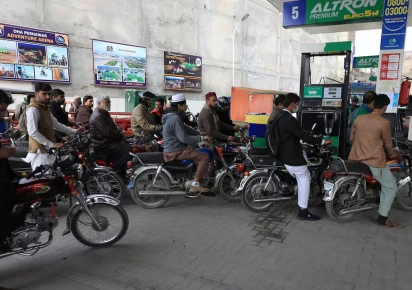
- Diesel prices
- Electricity tariffs
- Agricultural tube wells
- Farm machinery
- Cotton production
- Wheat cultivation
- Rice farming
- Livestock development
The leaders stressed that increasing input costs continue to squeeze farmers’ incomes, while the country still lacks a strong policy framework for crop pricing, market access, storage facilities, food processing, and agricultural exports.
Concerns Over Food Security
PTI representatives also highlighted Pakistan’s dependence on imported edible oil, noting that the country imports nearly 90% of its edible oil requirements. They described this reliance as a serious threat to national food security and self-sufficiency.
Mian Ghous and Khalid Nawaz Sadhraich argued that current economic policies are negatively affecting both agricultural productivity and export potential, ultimately weakening the rural economy.
Agriculture Needs Strategic Attention
Khurram Shehzad Virk and Awais Jhakkar stated that the federal budget had disappointed not only farmers but also labourers and rural communities. They maintained that agriculture, often described as the backbone of Pakistan’s economy, had effectively been overlooked despite its major contribution to employment and national GDP.
The PTI farmers’ wing urged policymakers to introduce practical reforms and long-term agricultural policies that prioritise farmer welfare, reduce production costs, strengthen exports, and improve food security across the country.