




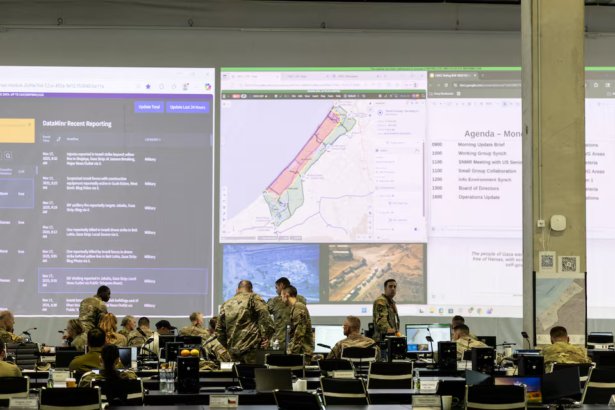
The United States is reportedly preparing to shut down its key civil-military coordination mission near Gaza, a move that highlights growing challenges in implementing the fragile ceasefire and managing humanitarian aid efforts in the conflict-hit region.
The mission, which was a central component of former President Donald Trump’s post-war Gaza strategy, was designed to monitor ceasefire conditions and facilitate the delivery of humanitarian assistance after years of conflict between Israel and Hamas.
However, diplomatic sources indicate that the initiative has struggled to achieve its objectives. Continued Israeli military operations, despite a ceasefire agreement, and the reassertion of administrative control by Hamas in parts of Gaza have significantly weakened the mission’s effectiveness.
The shutdown of the coordination centre reflects broader issues in enforcing ceasefire terms and ensuring consistent aid delivery. Officials noted that the mission lacked sufficient authority to guarantee compliance or maintain stability on the ground.
According to reports, responsibilities of the mission may be transferred to a proposed US-led International Stabilization Force. This new structure aims to oversee both security and humanitarian coordination in Gaza, although participation from international partners has been limited so far.
Several countries, including Germany, France, United Kingdom, Egypt, and United Arab Emirates, had initially supported the initiative by providing personnel and funding. However, involvement has declined as the situation on the ground deteriorated.
The ongoing conflict, which escalated after the October 7, 2023 attacks, has devastated Gaza’s infrastructure and displaced a large portion of its population. Essential services such as water, sanitation, and electricity remain severely affected, complicating humanitarian operations.
Despite efforts to increase aid access, restrictions on materials and continued instability have limited progress. The ceasefire remains under strain, with ongoing violence highlighting the fragile nature of peace efforts in the region.
Analysts believe that long-term stability in Gaza will depend on establishing a sustainable governance structure and improving coordination between international stakeholders. Without these measures, both humanitarian relief and reconstruction efforts are likely to face continued setbacks.