


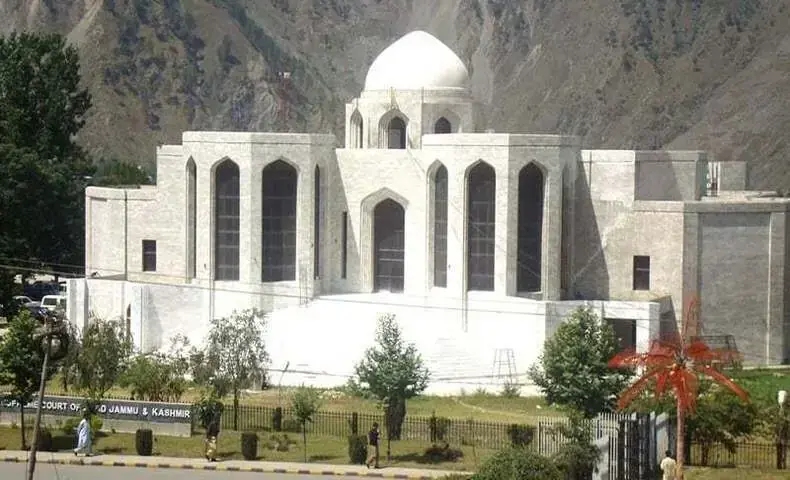
The Azad Jammu and Kashmir High Court has ruled that Afghan nationals residing in the region cannot be detained or deported without following due legal process, even under existing repatriation policies.
In a detailed judgment authored by Justice Syed Shahid Bahar, the court addressed multiple constitutional petitions challenging the detention of Afghan nationals in Muzaffarabad. The petitioners argued that despite having valid documentation and long-term residence in the region, they were taken into custody without lawful grounds.
The court observed that while foreign nationals may not have an automatic right to permanent residence, they are still entitled to legal protection and due process during their stay. It emphasized that any deportation must be carried out strictly under the law, including proper visa cancellation and formal legal proceedings.
Highlighting gaps in implementation, the court noted that under the AJK Foreigners Act, 1952, proceedings against foreign nationals must be initiated through a designated civil authority. However, the government acknowledged that no such authority had been formally appointed, making current actions legally insufficient.
The judgment also stressed the importance of humanitarian considerations, especially in cases where Afghan nationals have lived in the region for decades or have family ties with local residents. The court urged authorities to adopt a more balanced and case-by-case approach rather than enforcing blanket deportation measures.
While affirming the government’s authority over immigration matters, the court directed immediate steps to establish a proper legal framework. It also ordered that arrests must be reported within five days and decisions regarding detainees should be made promptly.
This ruling marks a significant development in ensuring legal rights and protections for foreign nationals residing in the region.