

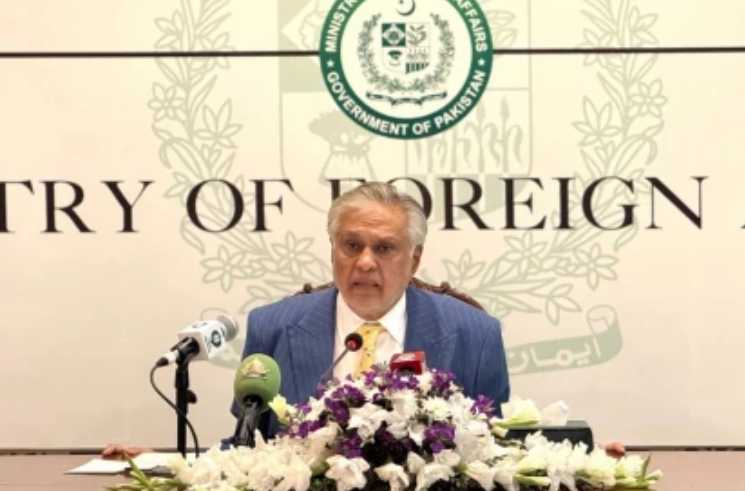
Pakistan has received a significant boost in maritime operations as Iran has agreed to allow 20 additional Pakistani-flagged ships to transit through the strategically vital Strait of Hormuz. The announcement was made by Deputy Prime Minister and Foreign Minister Ishaq Dar, who described the development as a positive and confidence-building step toward regional peace and stability.
According to official statements, two Pakistani vessels will be permitted to cross the Strait daily. This arrangement is expected to ease logistical challenges and strengthen trade routes for Pakistan, particularly at a time when global shipping lanes are under pressure due to ongoing tensions in the Middle East.
The Strait of Hormuz is one of the world’s most critical maritime corridors, facilitating a large portion of global oil and cargo shipments. Any disruption in this route can significantly impact international trade and energy markets. Iran’s decision to allow additional Pakistani ships is being viewed as a constructive gesture that may help reduce tensions and ensure smoother maritime operations in the region.
Ishaq Dar emphasized that such steps are essential for promoting dialogue, diplomacy, and cooperation among regional stakeholders. He noted that confidence-building measures like these are crucial in maintaining stability and preventing further escalation.
In addition to this development, diplomatic engagements continue to intensify, with foreign ministers from Türkiye and Egypt visiting Islamabad for consultations on the evolving regional situation. These discussions highlight Pakistan’s active role in facilitating dialogue and promoting peace in the region.
Earlier, two Pakistani ships successfully transited the Strait after being temporarily held due to heightened tensions. With the latest agreement, Pakistan’s shipping and trade sector is expected to benefit from improved access and reduced uncertainty.
Overall, the move reflects a growing emphasis on diplomatic solutions and cooperation, reinforcing Pakistan’s commitment to regional peace, secure trade routes, and economic stability.