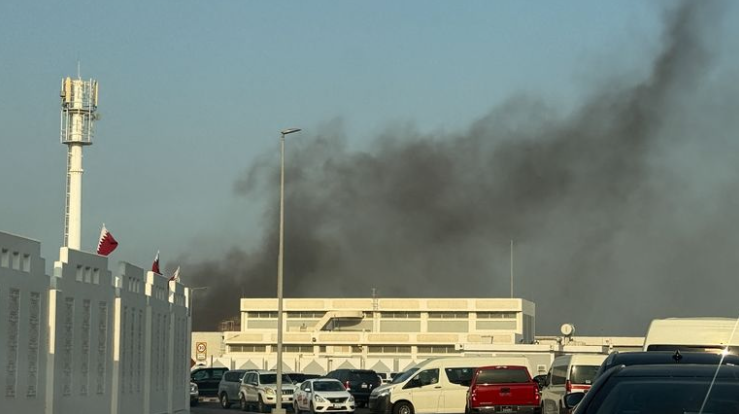


Concerns are rising over the potential threat posed by Iranian sea mines to United States warships and international shipping routes in the strategically vital Strait of Hormuz.
According to media reports, tensions in the region have escalated following recent military strikes carried out by the United States and Israel against Iran. Analysts warn that Iran could respond by deploying sea mines in the Strait of Hormuz, a critical global shipping route.
The Strait of Hormuz is one of the most important waterways in the world, as a large portion of global oil exports passes through this narrow passage connecting the Persian Gulf with the Arabian Sea.
Military experts believe that Iranian sea mines could pose a serious threat not only to US naval vessels but also to commercial ships transporting oil and other goods through the region.
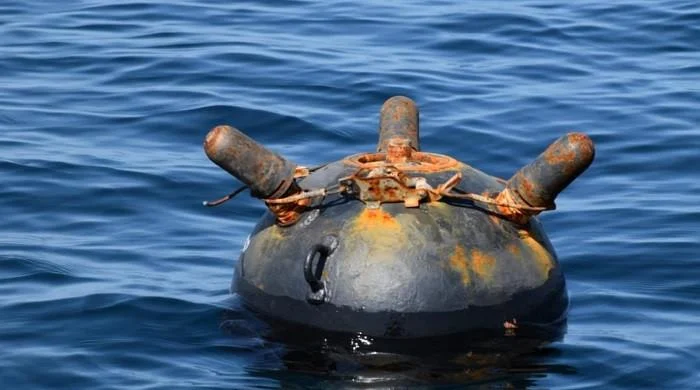
Sea mines are particularly dangerous because they are difficult to detect and remove. Once deployed, they can drift with ocean currents and remain active for long periods, increasing the risk to ships passing through the area.
The report also referenced past incidents involving naval mines in other conflict zones. For example, during the Russia-Ukraine war, drifting sea mines were recovered in the Black Sea, including one retrieved by the Romanian Navy in March 2022.
Such incidents demonstrate the persistent threat posed by naval mines in international waters and their potential to disrupt major shipping routes.
Experts say Iran is believed to possess a large stockpile of naval mines that could be deployed if tensions in the region continue to rise.
Any disruption in the Strait of Hormuz could have significant global economic consequences, particularly for energy markets, as a major share of the world’s oil supply passes through this strategic waterway.
Military analysts warn that the deployment of sea mines would create serious operational challenges for naval forces tasked with ensuring the safety of shipping lanes.
The situation highlights the fragile security environment in the Middle East and the importance of maintaining stability in key maritime routes that support the global economy.