

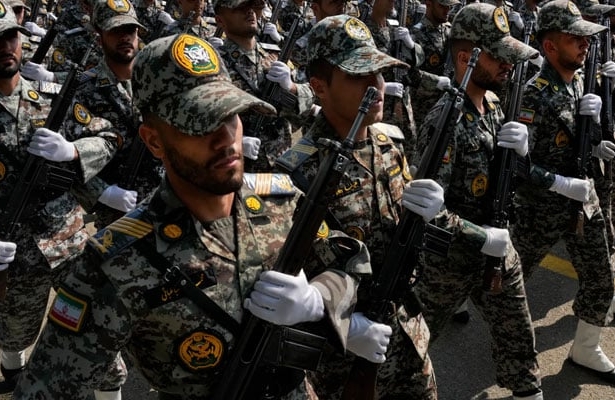
The Iranian Armed Forces have announced their determination to push United States forces out of the region while strengthening cooperation with neighboring countries. The statement was delivered by an official spokesperson of the Iranian military amid rising tensions in the Middle East.
According to the spokesperson, Iran’s primary goal is to maintain strong relations with neighboring nations while addressing what it considers security threats posed by foreign military presence in the region. Iranian officials emphasized that their strategy focuses on targeted military actions rather than broad regional conflict.
The Iranian military stated that it has only targeted bases from which attacks against Iran were launched. Officials said this approach reflects a calculated response aimed at defending the country while avoiding unnecessary escalation with neighboring states.
Authorities also highlighted that Iran deliberately avoided attacking countries that refused to allow the United States to use their airspace for military strikes against Iran. This decision was described as a sign of respect for neighboring Muslim countries and a commitment to regional partnerships.
However, Iranian officials warned that any cooperation with US forces by regional actors could lead to serious consequences. Specifically, the spokesperson cautioned Iraqi Kurdish leaders that if their infrastructure or territory is used to support US operations against Iran, those facilities could become potential targets.
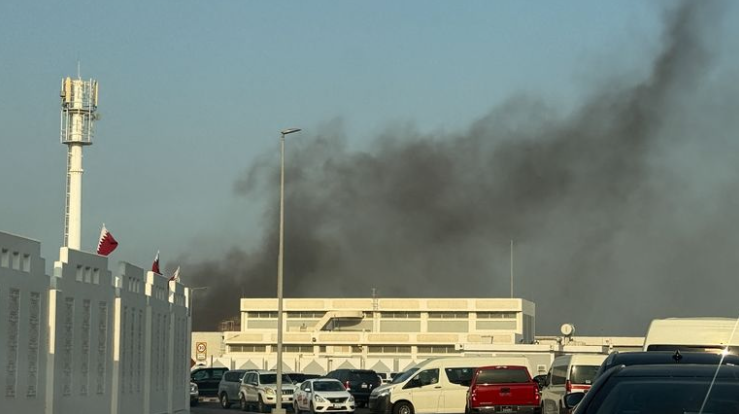
Meanwhile, Iranian media reported that the Islamic Revolutionary Guard Corps carried out a drone strike on Al Dhafra Airbase located in the United Arab Emirates. According to reports, the attack targeted key US military assets including satellite communication systems, warning radar installations, and fire-control radar systems.
The use of drone technology highlights Iran’s growing reliance on advanced military capabilities to strike strategic targets in the Gulf region. Analysts believe these developments signal an evolving military strategy that relies on precision strikes and asymmetric warfare tactics.
These escalating tensions underline the fragile security situation in the Middle East. While Iran continues to emphasize cooperation with neighboring countries, its firm stance against foreign military presence suggests that geopolitical tensions in the region may continue to rise.
Observers warn that continued military activity between Iran and the United States could further destabilize the Gulf region and impact global security dynamics.