

The Khyber Pakhtunkhwa Health Department has initiated a review of penalties imposed on private organisations managing outsourced government hospitals following rising complaints about poor service delivery.
Under the current system, overseen by the Khyber Pakhtunkhwa Health Foundation, private partners can be fined up to 10% of their total budget for failing to meet contractual obligations. These include ensuring staff attendance and providing essential healthcare services.
At present, around 19 hospitals across the province are being operated under this public-private partnership model. Funds are released on a quarterly basis, depending on performance evaluations conducted by monitoring committees.
These committees consist of officials from the health department, district administration, and the foundation, ensuring that service standards are maintained across outsourced facilities.
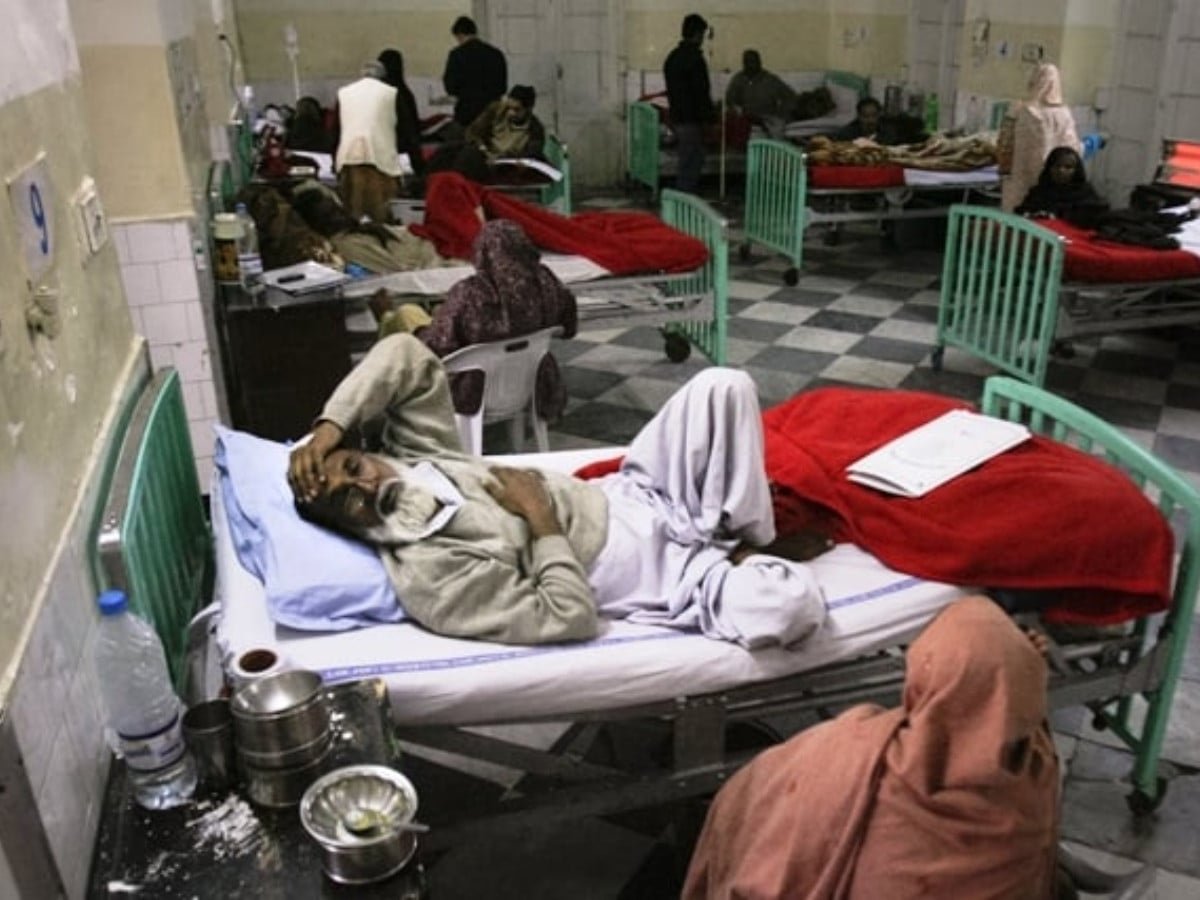
However, several complaints have been reported from different districts regarding weak performance. Issues include staff shortages, lack of medicines and equipment, and disruptions caused by protests and strikes by medical staff.
Patients, especially in remote areas, have expressed dissatisfaction with the quality of healthcare services, raising concerns about the effectiveness of the outsourcing model.
The outsourcing initiative was originally introduced to improve healthcare delivery in underperforming hospitals by leveraging private sector expertise. The aim was to enhance management, recruit qualified staff, and upgrade medical infrastructure.
Officials are now assessing whether the existing penalty structure is sufficient to ensure accountability or if stricter fines are needed to improve performance and service quality.
The review reflects growing concern within the department about maintaining healthcare standards and ensuring that private partners fulfill their responsibilities effectively.