

A growing trust deficit between Pakistani and international institutions has delayed the scientific analysis of artefacts recovered from Mohenjo Daro, one of the most important archaeological sites of the ancient world.
Located in the Sindh province, Mohenjo Daro is a key site of the Indus Valley Civilisation and has been recognised as a UNESCO World Heritage Site since 1980.
Delay in Scientific Analysis
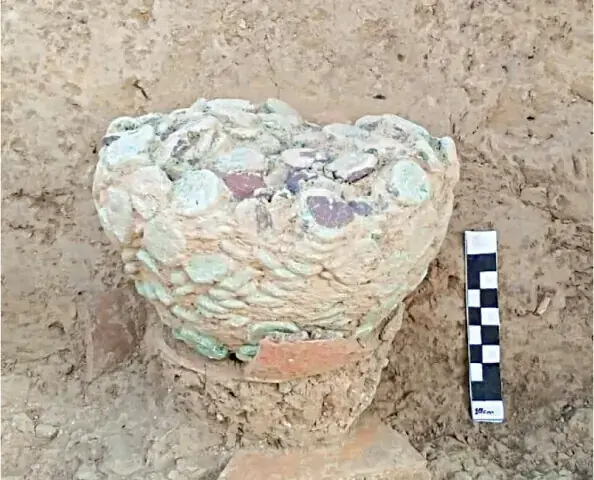
According to reports, artefacts recovered from the site have not undergone essential scientific examination due to a lack of trust between local authorities and international research institutions.
Advanced analysis techniques such as carbon dating and material composition studies require specialised facilities, often available in foreign laboratories. However, hesitation to share artefacts abroad has stalled the research process.
Importance of Mohenjo Daro
Mohenjo Daro is one of the largest urban settlements of the ancient Indus Valley Civilisation, dating back to around 2500 BCE.
The artefacts discovered at the site are crucial for understanding the culture, trade systems, daily life, and technological advancements of early human civilisation.
Without proper analysis, many historical insights remain undiscovered.
Challenges in Collaboration
The reported trust deficit has limited collaboration between Pakistani heritage institutions and international experts.
While foreign institutions offer advanced research technology, concerns over security, ownership, and preservation of artefacts have slowed down cooperation.
Experts believe that establishing clear protocols and mutual trust is essential for future research.
Impact on Archaeological Research
The delay highlights broader challenges faced by Pakistan in preserving and studying its rich archaeological heritage.
Numerous sites linked to the Indus Valley Civilisation exist across the country, but limited resources and collaboration barriers continue to hinder progress.
Researchers stress that resolving these issues is critical to unlocking valuable historical knowledge and ensuring proper preservation of cultural heritage.