

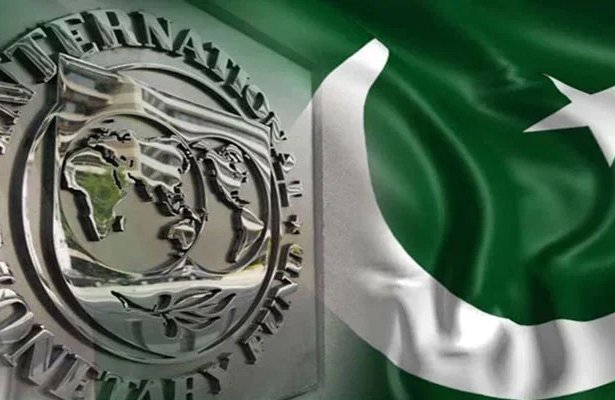
Pakistan is set to receive approximately $1.2 billion from the International Monetary Fund (IMF) as the country continues to show progress in implementing key economic reforms. The disbursement includes $1 billion under the Extended Fund Facility (EFF) and an additional $210 million through the Resilience and Sustainability Facility (RSF), pending final approval from the IMF Executive Board.
Once approved, the total amount disbursed to Pakistan under the current programme will reach nearly $4.5 billion. The development reflects growing confidence in Pakistan’s efforts to stabilize its economy and implement structural reforms.
According to the IMF, Pakistan’s economic indicators have shown noticeable improvement. Inflation has been brought under relative control, and the current account deficit remains manageable. Additionally, foreign exchange reserves have improved, strengthening the country’s financial position.
However, global uncertainties, particularly rising tensions in the Middle East, continue to pose potential risks to economic stability. Fluctuations in international energy prices may also impact inflation in the coming months.
The IMF emphasized that the State Bank of Pakistan will continue to maintain a tight monetary policy to keep inflation in check. This may include further interest rate adjustments if necessary to ensure economic stability.
The government is actively working to broaden the tax base and improve revenue collection. Reforms within the Federal Board of Revenue (FBR), including digital invoicing systems and enhanced audit processes, are already showing positive results. Authorities are also developing a medium-term tax strategy aimed at ensuring a fair and efficient taxation system.
Efforts to reduce fiscal deficits remain a priority, with Pakistan targeting a primary surplus of 1.6% in fiscal year 2026 and aiming to increase it to 2% by 2027. At the same time, the government plans to increase spending on essential sectors such as health, education, and social protection to support vulnerable populations.
The expansion of the Benazir Income Support Programme (BISP) is also part of the strategy to cushion low-income households against inflationary pressures.
Energy sector reforms are another critical focus area, with the government aiming to address circular debt and improve efficiency in power distribution. Additionally, privatization of state-owned enterprises and anti-corruption measures are being pursued to create a more investment-friendly environment.
Overall, the anticipated IMF disbursement signals positive momentum for Pakistan’s economy, as the country continues its journey toward financial stability and sustainable growth.