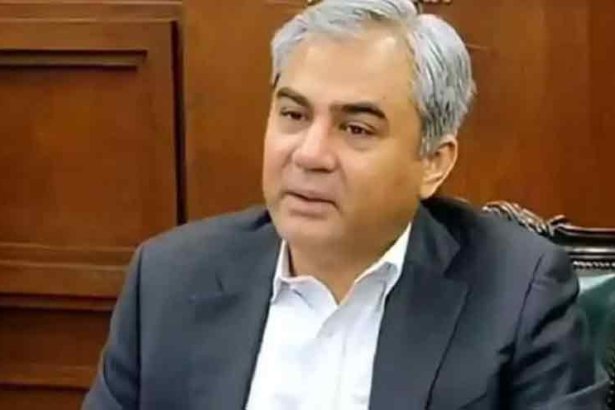


Rising oil prices are expected to increase inflation in Pakistan, creating new economic challenges for the country. According to the Ministry of Finance Pakistan, global oil price hikes may put significant pressure on the national economy.
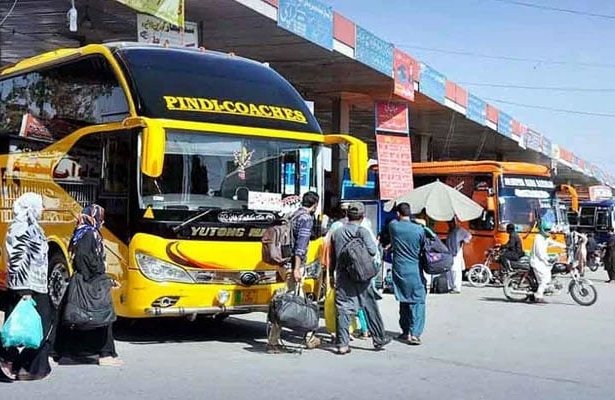
The increase in fuel prices directly impacts transportation, electricity, and production costs. As these expenses rise, the prices of essential goods, including food items, also increase, affecting the daily lives of citizens.
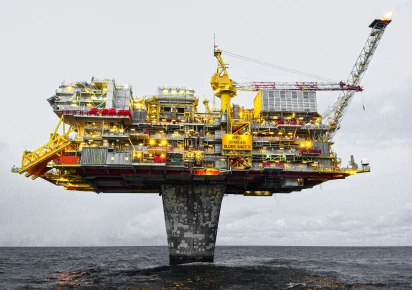
Pakistan relies heavily on imported fuel, which means higher global oil prices will increase the country’s import bill. This can widen the trade deficit and weaken the overall economic stability.
Experts warn that rising fuel costs may also slow down economic growth. Industries and agriculture sectors may face higher production costs, leading to reduced output and increased prices.
Low-income families are likely to be the most affected, as they already struggle with rising living expenses. However, government officials have stated that measures are being taken to manage the situation, control spending, and ensure fuel supply stability.
Staying informed about fuel price trends is crucial, as it helps individuals and businesses prepare for possible economic changes in the near future.