

The centuries-old tradition of waking people for sehri during Ramadan is gradually disappearing as modern technology replaces the role once played by traditional drum-beating callers. Mobile phone alarms, digital clocks, and smart devices have made it easier for people to manage prayer and meal times on their own, leaving little room for this cultural practice to survive.
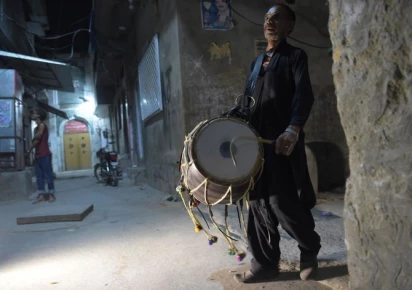
In Rawalpindi, Sehri caller Fareeduddin recently completed his Ramadan rounds, continuing a family tradition that has been passed down for generations. He shared that both his grandfather and father served as Sehri callers, and for many years, he and his brothers carried on the practice together. However, over time, his brothers stepped away, and even his son has chosen not to continue the work. Despite these challenges, Fareeduddin says he feels morally responsible for preserving his ancestors’ legacy.
Fareeduddin explained that the respect and appreciation Sehri callers once received has faded significantly. Before the year 2000, residents welcomed them warmly and supported them generously. Today, he often faces complaints, verbal abuse, and even resistance from people who no longer want to hear the drumbeats. In some cases, residents have confiscated his drum and only returned it after he promised not to visit certain streets again.
The financial aspect has also become difficult. In the past, Sehri callers relied on small donations or eidi as seasonal income during Ramadan. Now, Fareeduddin says the support he receives is minimal or sometimes nothing at all, making it nearly impossible to sustain the practice as a livelihood.
Historically, Rawalpindi once had around 15 to 20 Sehri-calling groups. Today, only three remain, and even they may disappear within the next few years. Many residents believe that technological advancements have made traditional Sehri callers unnecessary.
The tradition of announcing sehri and iftar is not unique to Pakistan. In countries such as Egypt, the practice of firing cannons to signal prayer times dates back to the 15th century and later spread to other regions. Each culture adopted its own method, reflecting local customs and values.
What was once a lively, respected Ramadan ritual and a source of income for many families is now at risk of vanishing completely. As urban lifestyles continue to change, the familiar sound of the Sehri drum may soon exist only as a memory of the past.