
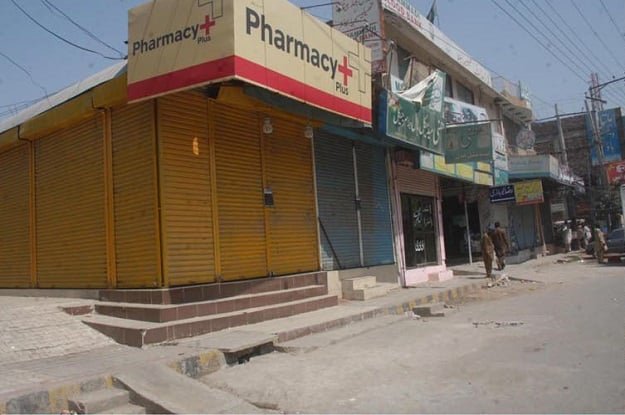
The growing presence of unlicensed and unqualified individuals operating medical stores across Pakistan has raised serious concerns about public health and patient safety. Reports from Karachi and interior Sindh reveal that a significant number of pharmacies are being run without the supervision of qualified pharmacists, in clear violation of existing laws.
Under Pakistan’s drug regulations, it is mandatory for every medical store to have a licensed pharmacist present to dispense medicines and guide patients. However, in practice, many shops are operated by untrained individuals, including minors, who lack the necessary knowledge and expertise. These individuals often provide medical advice, substitute prescribed medicines, and dispense drugs without understanding patient conditions, leading to potentially dangerous consequences.
Sindh alone has around 30,000 medical stores, but only about 20,000 registered pharmacists, and only a small number are actively present at retail outlets. In many cases, pharmacies operate using the license of a single pharmacist who is not physically present, reportedly receiving compensation for the use of their credentials.
The situation is further aggravated by weak enforcement of drug laws. Drug inspectors, responsible for ensuring compliance, are often unable to effectively monitor all outlets. Allegations of corruption have also surfaced, with claims that licenses are issued through unofficial payments far exceeding the official fees. This has led to a system where regulations exist but are not strictly implemented.
Another alarming issue is the widespread sale of medicines without prescriptions. Antibiotics, anti-allergy drugs, and other medications are frequently sold over the counter, increasing the risk of incorrect dosage, drug interactions, and long-term health complications. Experts warn that such practices are contributing to the growing problem of antibiotic resistance, which could severely limit treatment options in the future.
In rural areas like Gadap and Baba Bhit, the situation is even more concerning, with some medical stores lacking basic facilities such as refrigeration required for storing vaccines. This further compromises the quality and safety of medicines being provided to the public.
Health experts, including representatives from the Pakistan Pharmacists Association, have emphasized the urgent need for stricter enforcement of regulations. They stress that ensuring the presence of qualified pharmacists at all medical stores is critical for safeguarding public health and maintaining the integrity of the healthcare system.
The issue highlights systemic challenges within Pakistan’s healthcare regulatory framework, where gaps in enforcement, oversight, and accountability continue to pose risks to millions of citizens relying on these services for their medical needs.