
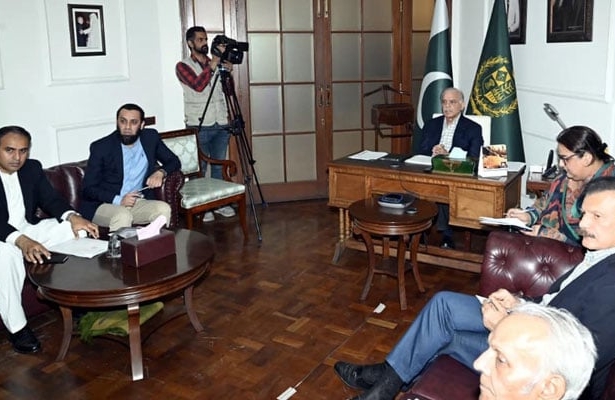
Prime Minister Shehbaz Sharif has approved a series of new austerity measures aimed at reducing government expenditures amid the ongoing regional war situation and rising economic pressures.
According to official sources, the austerity plan will be implemented across all ministries, government departments, and autonomous institutions. The cost-cutting measures will also apply to defence organizations, the judiciary, and parliament in an effort to ensure a comprehensive reduction in public spending.
One of the key steps announced under the austerity plan is a significant reduction in fuel consumption for government vehicles. Officials stated that fuel supply for all government vehicles will be reduced by 50 percent for the next two months.
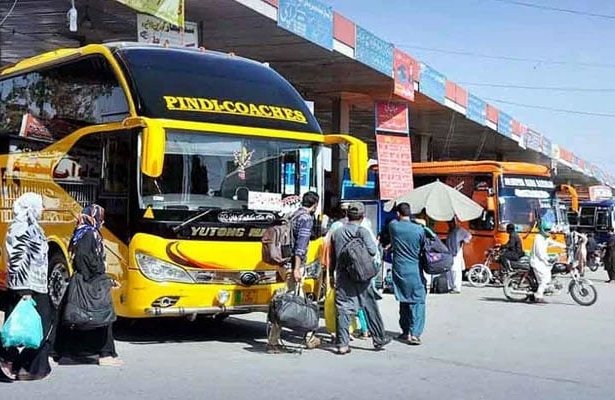
However, the restriction will not apply to essential operational vehicles such as government buses, ambulances, and motorcycles that are required for public services.
Authorities estimate that this reduction in fuel usage alone could help the federal government save approximately Rs4.5 billion.
In addition to the fuel cuts, the government has decided that 60 percent of government vehicles belonging to both federal and provincial governments will remain grounded for a period of two months.
As part of the austerity drive, members of the federal and provincial cabinets, including ministers, advisers, and special assistants, have voluntarily agreed to give up their salaries and allowances for the next two months.
Similarly, members of the National Assembly and Provincial Assemblies have agreed to a voluntary 20 percent reduction in their salaries and allowances for the same period.
The government has also introduced a salary deduction policy for senior officers. Under this decision, government officials in Grade 20 and above who earn more than Rs300,000 per month will face a deduction equivalent to two days’ salary.
Officials say the austerity measures are necessary to manage financial resources more efficiently during a period of heightened regional tensions and economic uncertainty.
The government hopes that these steps will help reduce expenditures, stabilize financial resources, and demonstrate a commitment to responsible economic management during challenging times.