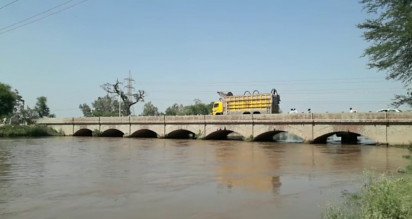


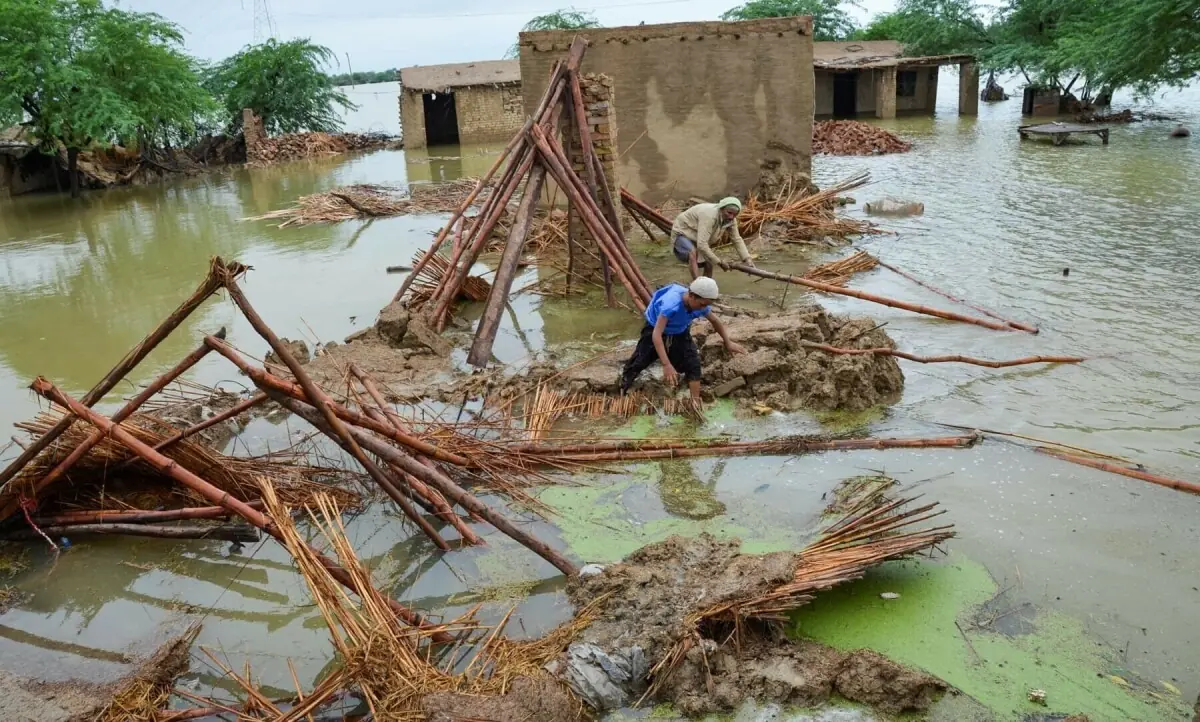
A recent report by the Jinnah Institute has raised serious concerns over Pakistan’s preparedness and response to climate-related disasters, pointing to persistent governance failures and weak community-level systems as major obstacles.
The report, released after the devastating 2025 floods, revealed that millions were displaced and entire districts were affected, exposing significant gaps in disaster management despite existing policies and institutional frameworks. It stressed that Pakistan’s continued reliance on reactive approaches is no longer sufficient in the face of growing climate threats.
Based on insights from over 330 participants, including focus group discussions and interviews across the country, the study introduced Pakistan’s first district-level Resilience Index. The index ranked 130 districts across key indicators such as human capital, economic stability, standard of living, urbanisation and digital access. The findings showed stark regional disparities, with Lahore scoring 0.72 compared to just 0.14 for Lehri in Balochistan.
The report identified several key drivers of resilience, including education, women’s empowerment, digital literacy, strong community networks and access to social protection programmes like the Benazir Income Support Programme (BISP). However, it also highlighted structural challenges faced by marginalized groups, including women, persons with disabilities, transgender individuals and religious minorities.
A major concern raised in the report is the failure of early warning systems to effectively reach vulnerable populations, along with poor coordination between institutions. Environmental mismanagement, such as deforestation and illegal construction in flood-prone areas, has further worsened disaster impacts.
The study strongly recommended reviving local government systems, improving welfare mechanisms, strengthening accountability, and investing in community-led climate resilience initiatives. It also called on the private sector and development partners to take a long-term approach in addressing climate challenges.
The report concludes that without inclusive governance reforms and coordinated action, Pakistan will continue to face severe risks from climate disasters, leaving its most vulnerable populations exposed.