


Inflation in Pakistan has surged to 10.9% in April, marking its highest level in nearly two years, according to data released by the Pakistan Bureau of Statistics. The sharp increase has been largely driven by rising fuel prices, higher taxes and ongoing global economic disruptions.
The latest figures show that inflation has returned to double digits for the first time since July 2024, exceeding both government forecasts and independent projections. Officials had earlier expected inflation to remain below 9%, but rising global oil prices and domestic policy decisions have pushed costs significantly higher.
One of the main contributors to the surge is the increase in fuel prices. Despite having a relatively small weight in the consumer price index, motor fuel prices rose by around 40% compared to last year. Diesel prices saw an even sharper increase of 93%, significantly affecting transportation costs and supply chains across the country.
Energy prices have also climbed steeply. Electricity tariffs increased by 33% year-on-year, while liquefied hydrocarbon prices surged by 63%, reflecting broader energy cost pressures. These increases have had a ripple effect across multiple sectors, raising production and distribution costs.
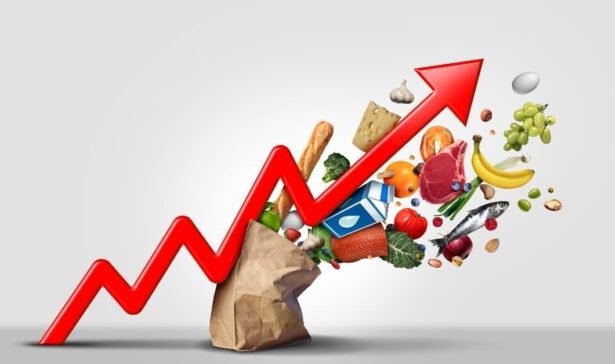
Food inflation has also intensified, with urban food prices rising to 6.9% and rural food inflation reaching 7.3%. Essential commodities such as tomatoes, onions and wheat have seen significant price hikes, largely due to increased transportation costs and supply disruptions.
Global factors have further added to the pressure, including rising oil prices following geopolitical tensions involving the United States and Israel. These developments have contributed to higher import costs and increased economic uncertainty.
To control inflation, the central bank has raised interest rates, though experts note that much of the inflationary pressure is driven by external shocks and government policy decisions. Meanwhile, the International Monetary Fund has urged the government to expand financial support programmes such as the Benazir Income Support Programme to help low-income households cope with rising costs.
With inflation now exceeding the annual target of 7.5%, there are growing concerns about the cost of living and economic stability in Pakistan in the coming months.