

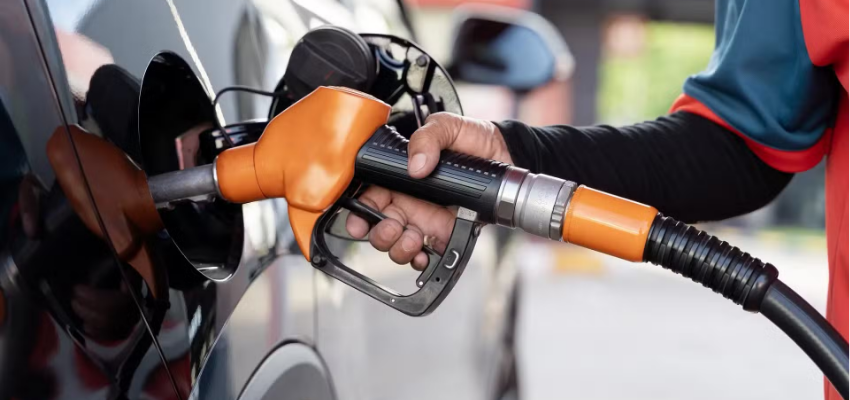
The Government of Pakistan has announced revised fuel prices effective February 16, 2026, marking a notable increase in the cost of petrol and diesel across the country. Under the new pricing structure, the price of petrol has risen by approximately Rs 4.39 per litre, while the price of diesel has increased by around Rs 5.40 per litre.
The change comes as part of the government’s ongoing adjustments to petroleum pricing, reflecting global oil market trends and regulatory taxation components. Officials have stated that the revisions aim to stabilize the energy sector and manage supply chain costs.
Industry analysts note that increases in fuel prices often have a ripple effect throughout the economy, particularly affecting transportation, logistics, and commodity prices. Higher petrol and diesel costs can contribute to increased operational expenses for goods movement and public transport services, which may translate into elevated living costs for consumers over time.
The price revision has triggered public discussion and reactions from various sectors, including transport unions, economic experts, and consumer rights advocates. While some stakeholders emphasize the need for fiscal balance and energy sector sustainability, others have raised concerns about the impact on household budgets and inflation.
Petrol pump operators and petroleum dealers have been instructed to update their fuel pumps with the new rates from midnight onwards. Motorists and commuters have been advised to check the updated pricing displayed at filling stations before refueling.
As the effects of the fuel price adjustment begin to unfold, citizens and industry observers will continue monitoring changes in transportation costs, commodity pricing, and overall economic indicators.