
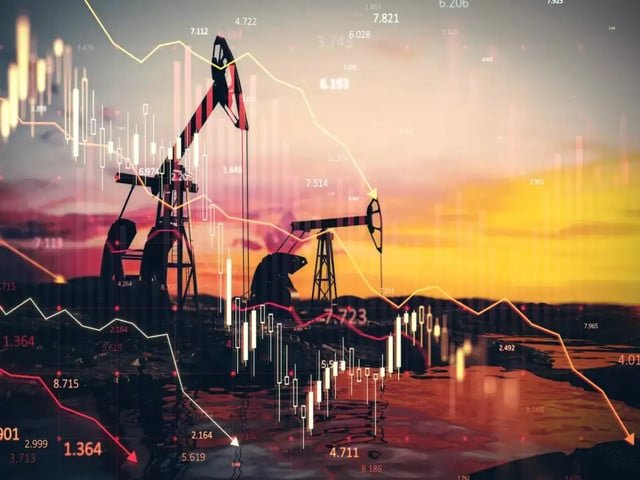
Pakistan’s Petroleum Division has proposed major relief measures for fuel consumers in its recommendations for the federal budget 2026-27, including reducing the petroleum levy target to Rs1 trillion and lowering the levy on petrol and diesel to Rs50 per litre while international oil prices remain high.
According to reports, the recommendations have been submitted to the finance ministry ahead of the upcoming federal budget expected on June 5. The proposals come amid concerns over rising global oil prices linked to the ongoing US-Iran conflict and growing pressure on Pakistani consumers facing increased fuel costs and taxation.
Ali Pervaiz Malik reportedly informed Muhammad Aurangzeb that reducing reliance on petroleum levies had become necessary to protect vulnerable sections of society from inflationary pressure.
Under the proposed plan, the petroleum levy on petrol and diesel would be reduced by Rs30 per litre, bringing it down to Rs50 per litre. The Petroleum Division also suggested that the levy should only increase if international crude oil prices fall below $60 per barrel.
Currently, the government is charging around Rs118 per litre in petroleum levy on petrol. The division’s proposal would place the new levy collection target significantly below projections linked to the International Monetary Fund framework.
The report noted that petroleum levies have become a major source of government revenue in recent years. Since 2022, levy collection targets have consistently exceeded expectations, generating an estimated Rs4.3 trillion in revenue.
In addition to levy reductions, the Petroleum Division has also proposed lowering sales tax on LPG from 18% to 10%, arguing that the fuel is commonly used by lower-income households across Pakistan.
The division further requested financial support for unresolved oil and gas sector issues, including gas subsidies, pending tax refunds, and the financial challenges faced by major energy companies such as Pakistan State Oil and Sui gas companies.
Officials also urged the government to allocate Rs130 billion for gas subsidies in the next fiscal year instead of transferring the financial burden directly to residential consumers through higher gas prices.
The recommendations highlight increasing pressure on the government to balance IMF-linked revenue targets with public demand for relief from inflation, rising fuel prices, and growing energy costs.