


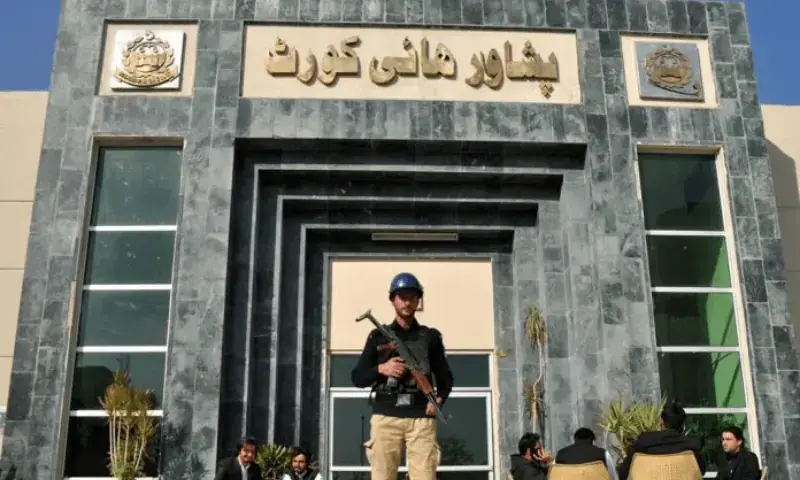
The Peshawar High Court has delivered a significant ruling stating that minor convictions should not be treated as adverse entries in Police Clearance Certificates (PCCs), reinforcing the principles of fairness, dignity, and rehabilitation.
In its judgement, the court clarified that petty offences — especially those resulting in nominal fines — cannot be equated with serious crimes involving moral turpitude. The bench, comprising Justice Syed Muddaser Ameer and Justice Aurangzeb, emphasised that such minor cases should not permanently damage an individual’s reputation or future opportunities.
The case involved a petitioner seeking removal of the term “convicted” from his PCC after a minor offence. The court directed authorities to issue a clean certificate, provided the individual is not involved in any other criminal matter.
⚖️ Key Observations by the Court
The court noted that a PCC is more than just a document—it acts as a label that can affect employment, travel, and social standing. Including minor or resolved cases as adverse entries was termed disproportionate and unjust.
It further stated that the Constitution does not support “perpetual stigma” for minor infractions and recognises the right of individuals to rehabilitation and reintegration into society.
🕌 Ethical and Legal Perspective
The judgement also referenced Islamic principles, highlighting the importance of dignity, honour, and protection of reputation. It stressed that unnecessary exposure of minor past mistakes goes against both legal fairness and moral values.
📜 Legal Implications
The ruling sets an important precedent by:
- Distinguishing between minor offences and serious crimes
- Preventing misuse of PCCs as a tool of long-term stigma
- Supporting rehabilitation-focused legal interpretation
- Limiting disclosure to serious and relevant convictions only
The court also pointed out that while authorities may retain full criminal records internally, only significant and relevant convictions should appear in public-facing documents like PCCs.
This decision is expected to benefit thousands of individuals whose careers and opportunities were previously affected by minor, concluded cases, marking a step forward in Pakistan’s justice and administrative system.