
The Azad Jammu and Kashmir (AJK) general elections have officially begun with polling in the Mirpur Division, marking the first phase of the electoral process under a revised three-phase schedule. The elections come after weeks of political unrest and public protests, prompting authorities to strengthen security measures and revise election arrangements across the region.
The AJK Election Commission announced the updated election schedule for all 45 Legislative Assembly constituencies after campaign activities were significantly disrupted by demonstrations organized by the Joint Awami Action Committee (JAAC). The civil rights group recently faced a government ban under anti-terrorism laws, adding further tension to the political environment ahead of the polls.
The protests centered on 12 legislative seats reserved for Kashmiri refugees residing in Pakistan. JAAC argues that these reserved constituencies allow mainstream Pakistani political parties to influence the formation of the AJK government, undermining local political representation. The issue has become one of the most debated topics during the election campaign.
However, the AJK Supreme Court ruled that the reserved refugee seats are protected under the Constitution and cannot be abolished through executive action. The verdict maintained the existing electoral framework while reaffirming the legal status of the reserved constituencies.
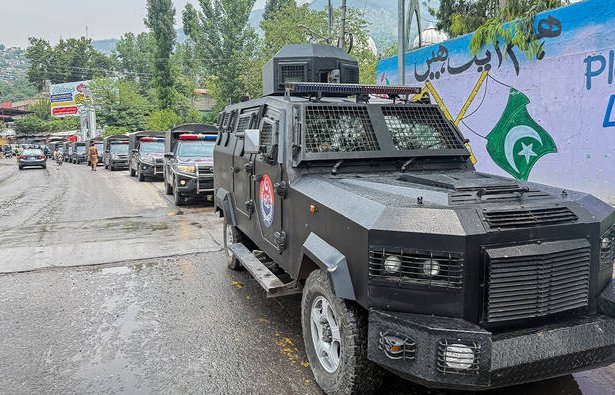
To ensure peaceful voting, authorities have deployed extensive security across polling stations. Election officials warned that strict legal action would be taken against anyone attempting to disrupt the democratic process. Law enforcement agencies remain on high alert to maintain law and order throughout the elections.
Following the completion of polling in the Mirpur Division, the second phase will be held in Muzaffarabad Division and refugee constituencies on August 2, while the final phase covering the Poonch Division is scheduled for August 10.
The AJK elections are expected to play a significant role in shaping the region’s political future as voters exercise their democratic right amid heightened political tensions and increased security arrangements.