

Pakistan’s long-running Gas Infrastructure Development Cess (GIDC) controversy has entered a fresh phase, with Rs453 billion still awaiting recovery from defaulters while another Rs295 billion reportedly remains unutilised.
The issue has resurfaced as the government seeks to amend the GIDC law and expand the permissible use of funds collected under the levy. The proposed GIDC (Amendment) Bill 2026 would allow the funds to be used for additional strategic gas infrastructure projects beyond those covered under the existing framework.
Under the current law, GIDC funds are primarily associated with major gas infrastructure projects, including the Iran-Pakistan pipeline, the Turkmenistan-Afghanistan-Pakistan-India (TAPI) pipeline and LNG-related projects. The proposed amendment would broaden their use to include strategic underground oil and gas storage facilities, a pipeline connecting the Mari gas field with fertiliser plants and other strategic gas infrastructure.
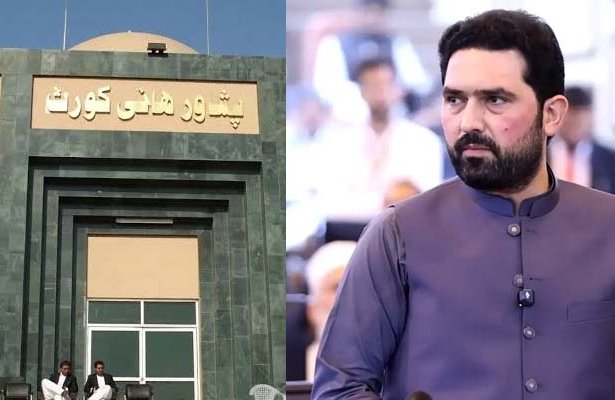
However, the proposed legislation has faced resistance in Parliament. The National Assembly Standing Committee on Petroleum deferred the bill during its September 5 meeting, with lawmakers raising questions over the recovery and utilisation of existing GIDC funds.
The dispute follows a Supreme Court judgment issued in August 2020, which rejected petitions from various industrial sectors challenging the levy. The cases involved companies from sectors including textiles, sugar, chemicals, cement, fertiliser, ceramics, aluminium and CNG.
The Supreme Court directed the recovery of outstanding GIDC liabilities, which were then estimated at around Rs417 billion. Officials say the outstanding amount has since increased to approximately Rs453 billion after applicable interest and late-payment charges.
The court had also provided a mechanism for payment through instalments and linked the utilisation of GIDC funds to progress on specified gas infrastructure projects. Despite the judgment, recovery efforts have continued to face litigation, with some companies securing stay orders.
Officials have also raised concerns over the utilisation of funds already collected. Around Rs295 billion reportedly remains unutilised, with delays and legal complications surrounding major infrastructure projects cited among the reasons.
An audit report has separately identified around Rs16.7 billion in GIDC that Sui Southern Gas Company (SSGC) allegedly failed to recover from consumers. The finding has raised questions about the effectiveness of collection and enforcement mechanisms within the gas distribution system.
The fertiliser sector remains a major part of the dispute, with outstanding liabilities of major fertiliser companies reportedly exceeding Rs110 billion. According to official records, the liabilities include approximately Rs63 billion attributed to Fauji Fertilizer Company, Rs22 billion to Fauji Fertilizer Bin Qasim, Rs19 billion to Engro Fertilizers and around Rs6 billion linked to Fatima Fertilizer Group.
The companies have maintained that their gas supply agreements were based on fixed prices and that GIDC was therefore not applicable in the manner claimed by the government. Authorities, however, maintain that the levy remains recoverable and that the Supreme Court has already settled the core legal dispute.
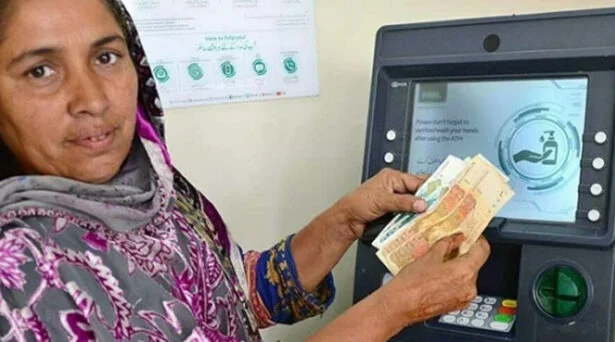
The latest issue is particularly significant for farmers because of a proposed $500 million gas network linking the Mari gas field with fertiliser plants. Petroleum officials have estimated that if the project cost is recovered through the GIDC mechanism, it could increase the price of a fertiliser bag by around Rs700.
The potential increase has raised concerns over whether the financial burden of new infrastructure could ultimately be passed on to farmers and consumers. Questions have also emerged over why a substantial amount of previously collected GIDC funds remains unutilised while additional financing mechanisms are being considered.
The government is reportedly considering accelerated legal proceedings to recover the outstanding Rs453 billion. Officials have also indicated that the liabilities of fertiliser companies will be examined in greater detail and that legal steps may be taken to expedite pending cases.
For now, the parliamentary deadlock has left the future use of GIDC funds uncertain. With hundreds of billions of rupees still tied up in recovery disputes and a significant portion of collected funds remaining unutilised, the controversy continues to raise broader questions about energy financing, industrial liabilities and the potential impact on consumers.