


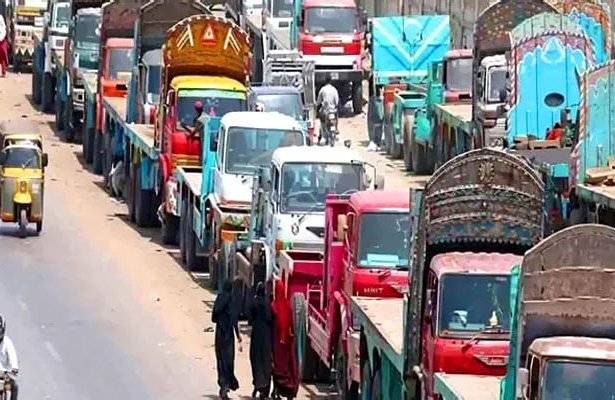
Goods transport operators in Pakistan have announced a 7 per cent increase in freight charges following a sharp rise in diesel and petrol prices.
The decision was announced in Islamabad as transport operators cited the higher cost of fuel as a major factor behind the increase. All Pakistan Goods Transport Alliance President Malik Shehzad Awan said diesel prices had increased by Rs26.88 per litre over the past seven days.
Awan also said petrol prices had risen by Rs20 per litre during the same period. According to the transport alliance, the rapid increase in fuel costs has significantly raised operating expenses for goods transportation companies.
Transport operators said they had limited ability to absorb the additional costs while maintaining existing freight rates. As a result, the 7 per cent increase in transportation charges has been announced to help offset the higher expenses associated with operating goods vehicles.
The increase in freight charges could have a broader impact on the movement of goods across Pakistan. Transportation is an important component of the supply chain, and higher freight costs can increase the expense of moving products from manufacturers, suppliers and markets to consumers.
Food items, industrial products and other essential goods may face higher transportation costs as the revised freight rates take effect. The extent to which these additional costs are passed on to consumers will depend on transport requirements, supply chains and market conditions.
The announcement comes at a time when fuel prices have risen sharply, placing additional pressure on businesses that rely heavily on road transportation. Goods transport operators have attributed the latest increase directly to the recent fuel price surge.
The transport sector plays a key role in Pakistan’s domestic supply chain, connecting producers, wholesalers, retailers and consumers across different parts of the country. Any significant change in freight rates can therefore affect the overall cost of distribution.
Transport operators have maintained that the higher charges are necessary because of rising operating expenses. Meanwhile, the increase has raised concerns about its potential impact on commodity prices and transportation costs across the country.