

The Lahore High Court (LHC) has ruled that super tax under Section 4C of the Income Tax Ordinance, 2001 cannot be imposed on capital gains arising from the sale of inherited immovable property when the applicable capital gains tax rate is zero percent.
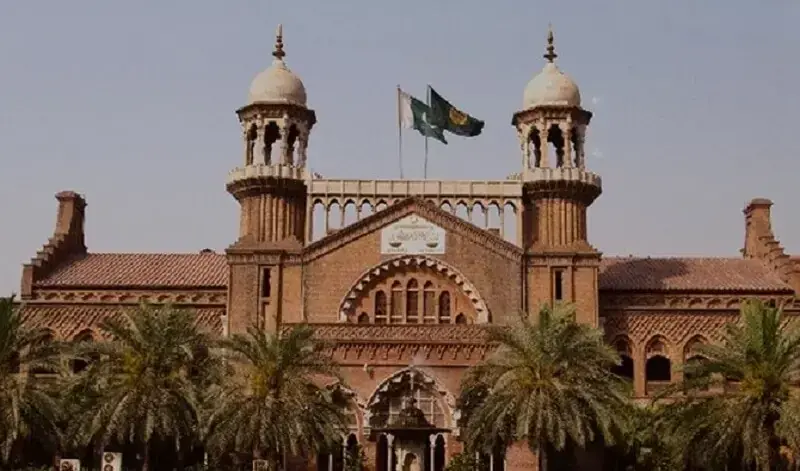
The decision was issued by a two-member bench comprising Justice Jawad Hassan and Justice Sardar Akbar Ali in a case filed by Khairullah Khan against tax authorities, including the Appellate Tribunal Inland Revenue.
The court struck down a tax demand of Rs114.7 million that had been raised over the sale of ancestral property held since 1980. According to court records, the taxpayer had declared income exceeding Rs1.14 billion from the sale of inherited property in tax year 2024.
The tax authorities had imposed super tax under Section 4C despite the capital gain being taxed at a zero percent rate under Section 37(1A) of the Income Tax Ordinance. The petitioner argued that since no tax was payable on the capital gain itself, the super tax could not legally be applied.
The Federal Board of Revenue (FBR) maintained that super tax applies independently to high-income individuals regardless of the source of income. However, the court rejected this argument, stating that tax laws must be interpreted strictly and that a zero percent tax rate effectively results in no tax liability.
The court further held that when the legislature sets a zero percent rate for a specific category of income, it creates a complete exemption in effect, leaving no legal basis for additional taxation such as super tax.
The judgment also referenced earlier constitutional interpretations, reinforcing that where capital gains from immovable property are exempt due to holding period or inheritance rules, super tax cannot be applied.
As a result, the LHC declared the Rs114.7 million tax demand unlawful and set it aside, reinforcing legal clarity on taxation of inherited property in Pakistan.