

Gold Prices Fall Sharply in Pakistan as Global Bullion Market Weakens
ISLAMABAD – Gold prices witnessed a significant decline in Pakistan on Wednesday, reflecting losses in international bullion markets as investors reacted to inflation concerns, geopolitical tensions, and uncertainty surrounding future interest rate decisions.
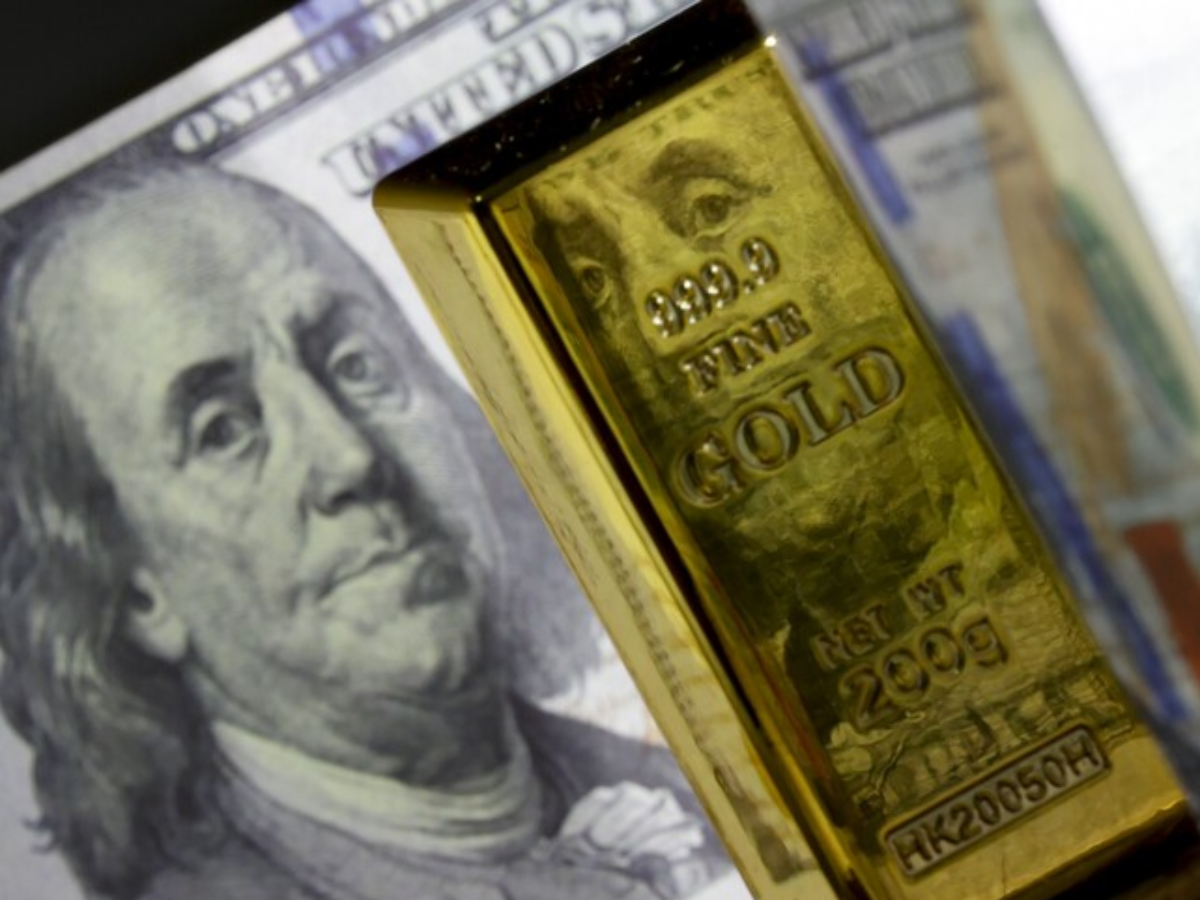
According to the All-Pakistan Gems and Jewellers Sarafa Association, the price of gold per tola dropped by Rs8,600, bringing the new rate down to Rs467,762.
Similarly, the price of 10 grams of gold declined by Rs7,373 and settled at Rs401,030 in local markets.
Sharp Reversal After Recent Gains
The latest decline came only a day after gold prices had surged by Rs4,600 per tola, reaching Rs476,362. The rapid movement highlights the ongoing volatility in both domestic and international precious metal markets.
Market experts say gold prices continue to react strongly to global economic developments, inflation expectations, and geopolitical events.
Silver Prices Also Decline
Silver prices also moved lower in Pakistan.
The price of silver per tola decreased by Rs259, closing at Rs7,894. The decline followed weakness in international precious metals markets where both investment demand and industrial demand softened.
International Gold Market Under Pressure
In international trading, spot gold fell nearly one percent to $4,440.99 per ounce, while US gold futures settled 1.2 percent lower at $4,466.90 per ounce.
Analysts linked the decline to expectations that inflationary pressures could remain elevated, potentially delaying interest rate cuts by major central banks, particularly the United States Federal Reserve.
Higher interest rates generally reduce the attractiveness of gold because the metal does not generate interest or yield compared to other financial assets.
Middle East Tensions Influence Market Sentiment
Investors are also closely monitoring growing tensions in the Middle East, particularly developments involving the United States and Iran.
Market analysts believe rising geopolitical risks are contributing to uncertainty in commodity markets. However, concerns that conflict-related disruptions could increase energy prices and inflation have complicated gold’s traditional role as a safe-haven asset.
As energy prices rise, investors anticipate that central banks may maintain higher interest rates for a longer period, creating downward pressure on gold prices.
Stronger Dollar Adds Pressure
Another factor affecting gold prices is the strengthening US dollar.
The US Dollar Index recorded gains for a third consecutive trading session. A stronger dollar makes gold more expensive for buyers using other currencies, reducing international demand and weighing on prices.
The combination of higher inflation expectations, a stronger dollar, and uncertainty over monetary policy has created significant volatility in global bullion markets.
Pakistani Rupee Shows Slight Improvement
Meanwhile, the Pakistani rupee posted a marginal gain against the US dollar in the inter-bank market.
The local currency appreciated by one paisa, closing at Rs278.45 per dollar compared to Rs278.46 in the previous trading session.
Although the movement was minor, currency fluctuations remain an important factor influencing gold prices in Pakistan because international bullion is traded in US dollars.
Outlook for Gold Investors
Financial analysts believe gold prices may remain volatile in the coming weeks as investors await key economic data from the United States and monitor developments in global conflicts.
Future movements in gold prices are likely to depend on inflation trends, central bank interest rate decisions, currency market performance, and geopolitical developments.
For now, investors and traders remain cautious as the precious metals market continues to experience sharp price swings driven by competing economic and geopolitical factors.