


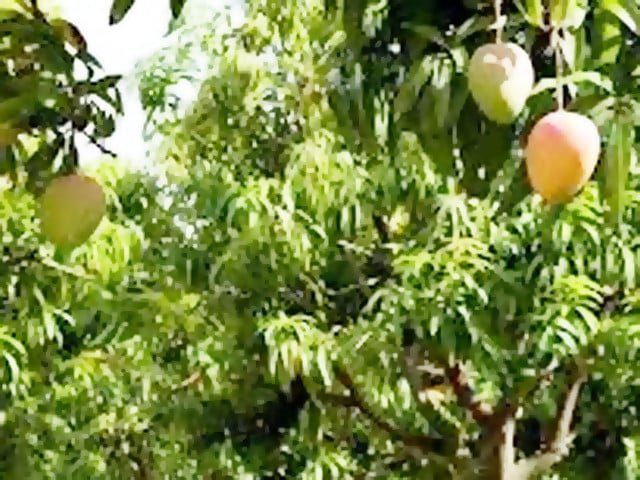
Punjab’s mango industry is facing significant challenges in the 2026 season as climate-related disruptions continue to impact production across South Punjab. Growers in Khanewal, one of the region’s largest mango-producing districts, are reporting lower fruit-setting rates, raising concerns about reduced harvests, export volumes, and market stability.
According to farmers and agricultural experts, the flowering season has ended with fewer flowers successfully developing into fruit compared to normal years. This decline has created uncertainty among orchard owners and contractors, many of whom are hesitant to lease mango orchards due to expectations of lower yields and reduced profitability.
Industry stakeholders attribute the decline primarily to extreme weather conditions experienced throughout the season. Unseasonal heatwaves, sudden temperature fluctuations during the flowering period, strong winds, heavy rainfall, and hailstorms have all contributed to damaging developing fruit and reducing overall productivity.
Mango grower Ahmed Ali Sargana explained that unusually high temperatures during March disrupted the natural fruit development process, preventing many flowers from transforming into healthy mangoes. He also highlighted a sharp increase in Bator disease and pest attacks, which further weakened orchard productivity. Prolonged heatwaves caused many immature fruits to fall prematurely, adding to growers’ concerns.
Agricultural experts estimate that mango production in certain areas may decline by 20 percent or more compared to average seasons. Such a reduction could significantly impact Pakistan’s mango exports, which are an important source of agricultural revenue and international trade.
The uncertainty surrounding crop yields has also affected orchard leasing activity. Landowners and contractors report reduced interest in leasing agreements as concerns grow about financial losses. Akbar Shah, a local orchard owner, noted that climate instability has created hesitation among investors and contractors, slowing business activity throughout the sector.
Water shortages have emerged as another major challenge. Many growers fear insufficient irrigation supplies could further reduce fruit quality and overall production levels. The combination of extreme weather, disease outbreaks, pest infestations, and water scarcity has placed additional pressure on an industry already struggling to adapt to changing climate conditions.
South Punjab is widely recognized for producing some of Pakistan’s finest mangoes, known internationally for their exceptional sweetness, aroma, and flavor. The fruit remains one of the country’s most valuable agricultural exports and contributes significantly to rural livelihoods and the national economy.
As the harvesting season progresses, farmers, exporters, and industry experts will continue monitoring crop conditions closely. Many stakeholders are calling for stronger agricultural support measures, improved climate adaptation strategies, better disease management programs, and enhanced irrigation systems to protect Pakistan’s mango industry from future climate-related challenges.