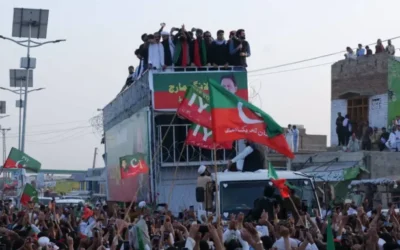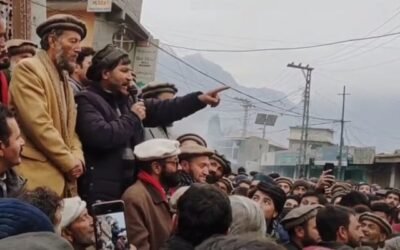
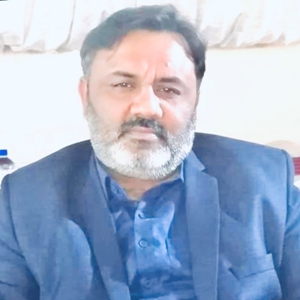

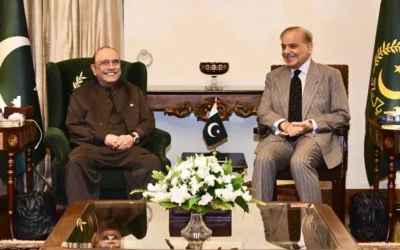
ISLAMABAD: Political tensions have intensified in Gilgit-Baltistan days before the June 7 Legislative Assembly elections, with the Pakistan Tehreek-e-Insaf alleging pre-poll manipulation, selective restrictions and pressure on its candidates, while the election administration and federal government have rejected accusations of bias. The controversy sharpened after former National Assembly speaker Asad Qaiser said PTI would launch street agitation if the elections were not held in a transparent manner. He also called the party’s decision not to protest after the February 2024 general elections a mistake, indicating a harder line if the GB results are disputed. On May 29, PTI’s Khyber-Pakhtunkhwa president and MNA Junaid Akbar Khan, along with party lawmakers Saleemur Rehman, Syed Mehboob Shah and Dr Amjad Ali Khan, were stopped at a police checkpost in Ghizer district while returning from campaign activity. Authorities said they did not have the required no-objection certificate for public gatherings. PTI termed the move deliberate obstruction, while police said no arrests were made. Ad powered by advergic.com On Saturday, Qaiser alleged that Punjab Police stopped him from reaching Islamabad airport, causing him to miss a scheduled flight to Skardu. He criticised curbs on PTI leaders taking part in the campaign. PTI has contrasted these restrictions with the visible campaigning of rival parties, noting that PML-N leader Khawaja Saad Rafique addressed several public gatherings across Gilgit-Baltistan on Sunday. Federal ministers Atta Tarar and Amir Muqam have also remained active in campaign activities in different districts. PTI allegations and official response In its formal response, PTI alleged a wider pattern of administrative pressure beyond the reported incidents involving its leaders. The party said election commission officials had approached some candidates and encouraged them to leave PTI and run on government-backed tickets. It also referred to a notice issued to the mother of former chief minister Khalid Khurshid over the display of election posters, describing it as an instance of selective enforcement. PTI candidates are mostly contesting as independents after reportedly being unable to obtain the party symbol, a factor the party says has complicated its position in the election. Ad powered by advergic.com Punjab Police confirmed on May 31 that more than 5,000 personnel would be deployed for election duty in Gilgit-Baltistan. Authorities have described the deployment as part of standard security planning, but questions have been raised over its scale and whether similar arrangements were made in previous elections in the region. Minister of State for Interior Talal Chaudhry dismissed PTI’s allegations and said the government had no interest in disrupting the electoral process. He said the restrictions affecting Asad Qaiser were linked to security concerns rather than politics. The Gilgit-Baltistan election administration has also denied favouring any party. Chief Election Commissioner Raja Shahbaz Khan said the code of conduct was being applied equally and stated that show-cause notices had also been served on candidates from the Pakistan Muslim League-Nawaz and the Pakistan Peoples Party for violations. Institutional friction deepens Ad powered by advergic.com Institutional tensions also widened when Khyber-Pakhtunkhwa Chief Minister Sohail Afridi wrote to the chief justice of the Gilgit-Baltistan Supreme Appellate Court, calling the reported restrictions “deeply disturbing” and seeking judicial intervention to ensure a level playing field. On Sunday, the chief election commissioner responded by saying the letter had no legal status and constituted interference in the electoral process. The exchange between the Khyber-Pakhtunkhwa chief minister and the GB election authority has added to the strain surrounding the vote just days before polling. Political backdrop The present confrontation comes against the backdrop of major political change in Gilgit-Baltistan. PTI won the 2020 elections and formed the government under Chief Minister Khalid Khurshid. However, after his disqualification by the GB chief court in July 2023, a coalition made up of PTI dissidents, PPP and PML-N lawmakers took power and later elected Haji Gulbar Khan as chief minister. Ad powered by advergic.com PTI is now attempting to regain ground in the region without its electoral symbol and while alleging tighter campaign conditions and administrative pressure. The assembly completed its five-year term in November 2025. Elections were initially set for January 24 but were delayed because of severe winter conditions. June 7 was later chosen as the only practical date before the start of Muharram in mid-June, which otherwise could have pushed polling into late summer or early autumn. With voting day approaching, PTI has already indicated that it will not accept a disputed outcome in Gilgit-Baltistan in the way it says it did after the February 2024 general elections.

Political Tensions Rise in Gilgit-Baltistan Ahead of June 7 Assembly Elections ISLAMABAD – Political tensions are intensifying in Gilgit-Baltistan as the region prepares for Legislative Assembly elections scheduled for June 7, 2026. The upcoming vote has become the focus of growing controversy, with the Pakistan Tehreek-e-Insaf (PTI) alleging pre-poll manipulation, selective restrictions, and administrative pressure…

Read More