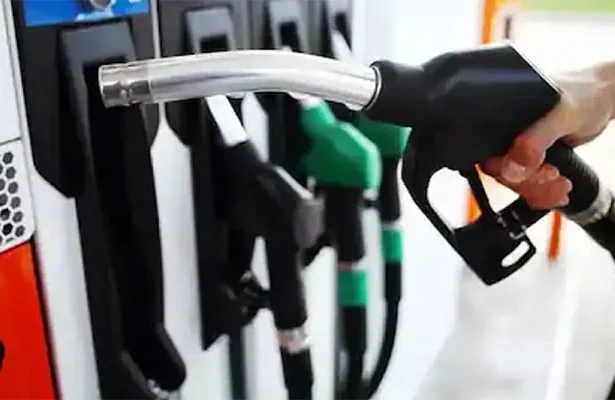

The International Monetary Fund (IMF) has reiterated its demand for Pakistan to phase out its existing fuel subsidy scheme, stressing that any future assistance following further increases in oil prices must be targeted, time-bound and covered within the FY27 budget.
In comments to Arab News, an IMF spokesperson said the current fuel support scheme should be phased out because of its broad targeting. The Fund also stated that any future relief should use established social assistance programmes and remain within the government’s available budget.
IMF Calls for Targeted Fuel Support
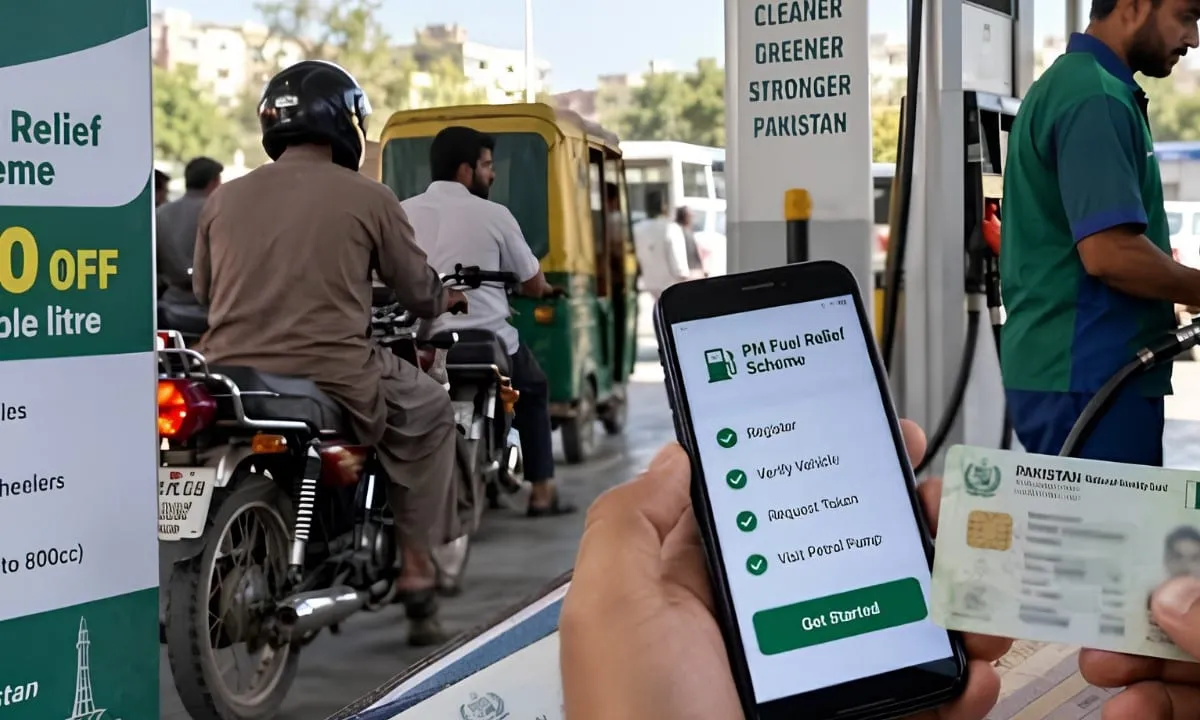
Pakistan introduced its fuel subsidy scheme in September to provide relief to lower-income motorists facing rising petroleum prices amid the US-Iran war.
Under the scheme, motorcycle and rickshaw users receive a weekly petrol token worth Rs500. Owners of cars with engines of up to 800cc are eligible for a discount of Rs100 per litre on up to 10 litres every 10 days.
The IMF had previously called for the prompt withdrawal of the scheme, citing its cost and broad targeting. According to the Fund’s spokesperson, Pakistan’s authorities had committed under the $7 billion Extended Fund Facility (EFF) programme to allow domestic fuel prices to move in line with international market rates while protecting the most vulnerable groups.
The spokesperson said any future support, if oil prices rise unexpectedly, should be limited, temporary and directed towards eligible beneficiaries through established social assistance programmes.
Middle East Conflict Raises Risks for Pakistan’s Economy
The IMF has also warned that the conflict in the Middle East and volatility in international oil prices pose significant risks to Pakistan’s economic outlook.
The spokesperson described the regional conflict as a major challenge for Pakistan because of its reliance on oil and gas imports from Gulf countries. Disruptions to global shipping routes, particularly around the strategically important Strait of Hormuz, have added uncertainty to international energy supplies.
Pakistan raised petroleum prices following the outbreak of the US-Iran war in February. Petrol prices reached a record Rs458.41 per litre on April 3 before gradually declining to Rs330 per litre as regional tensions eased.
The IMF official warned that sustained volatility in international oil prices could increase inflationary pressure and weigh on economic growth.
Pakistan’s Inflation and Economic Policy Priorities
According to the Pakistan Bureau of Statistics, consumer prices increased by 9.6 per cent in October, compared with 10.3 per cent in September.
In response to external economic pressures, the IMF has called on Pakistan to maintain macroeconomic stability and continue reforms aimed at strengthening public finances, improving competition, increasing productivity and supporting the country’s social safety net.
The Fund has also highlighted the need for reforms in state-owned enterprises, improved public service delivery, a more viable energy sector and investment in human capital.
Pakistan Awaits IMF Approval for $1.21 Billion
Pakistan is awaiting approval from the IMF Executive Board following a staff-level agreement reached last month after discussions with government authorities in Karachi and Islamabad.
Subject to approval, Pakistan is expected to receive approximately $1 billion under the EFF programme and another $210 million through the Resilience and Sustainability Facility (RSF). These disbursements would bring total payments under the two programmes to approximately $5.7 billion.
An IMF spokesperson said the Executive Board meeting covering Pakistan’s EFF and RSF reviews, along with the 2026 Article IV consultation, was expected to take place in December, subject to the fulfilment of programme requirements.
The IMF did not specify those requirements. The upcoming review will remain an important step in determining the next disbursements and assessing Pakistan’s progress under the programmes.