

Lahore recorded the world’s highest Air Quality Index (AQI) among major cities on November 10, as a thick layer of smog continued to affect residents across Punjab’s provincial capital. According to Swiss air quality monitoring platform IQAir, the city’s AQI reached 240, placing it in the “very unhealthy” category.
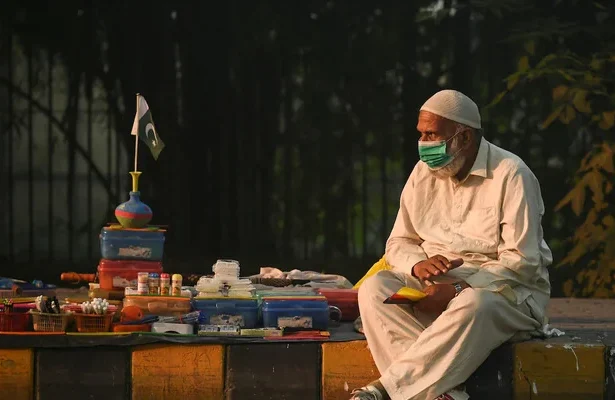
The concentration of fine particulate matter, known as PM2.5, was measured at approximately 33 times higher than the World Health Organisation’s annual guideline. These tiny particles can penetrate deep into the respiratory system and pose significant health risks.
Severe air pollution was also reported in other Pakistani cities. IQAir recorded an AQI of 283 in Faisalabad, 245 in Peshawar and 228 in Gujranwala, indicating that deteriorating air quality remains a wider regional concern rather than being limited to Lahore.
Diwali celebrations and cross-border pollution
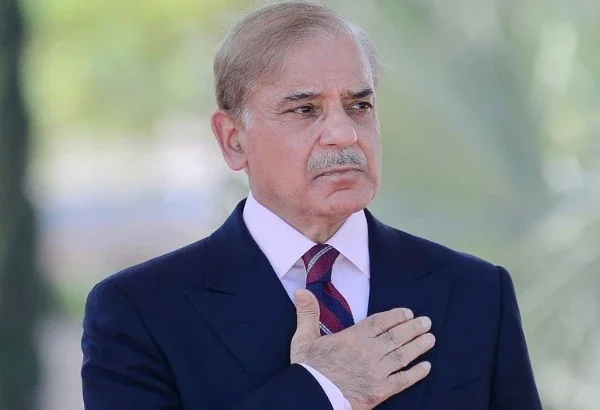
Punjab Environment Protection Minister Marriyum Aurangzeb partly attributed the latest deterioration in Lahore’s air quality to pollution travelling from neighbouring India following Diwali celebrations. She said light winds had carried polluted air across the border after fireworks and firecrackers were used during the festival.
The minister expressed hope that changing weather conditions and a shift in wind direction would gradually improve air quality, with pollution levels expected to ease during the afternoon.
Delhi also featured among the world’s most polluted cities, ranking second with an AQI of 188, according to IQAir. Indian government figures indicated that firecrackers accounted for nearly 55 per cent of the capital’s PM2.5 pollution on the day following Diwali.
Regional sources of air pollution
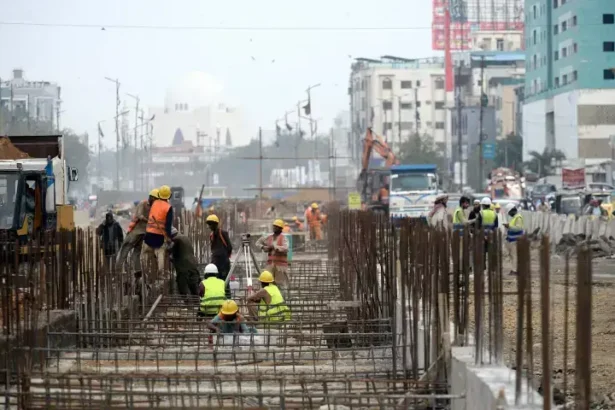
Environmental experts and authorities have identified several contributors to worsening air quality across the Indo-Pak region, including vehicle emissions, construction activity, industrial pollution and agricultural waste burning.
Crop-residue burning remains a particularly disputed issue during the winter smog season. The government of India’s Punjab state has maintained that farm-fire incidents have declined compared with previous years, despite reports of an increase around Diwali. India’s ruling Bharatiya Janata Party has also identified agricultural burning in the opposition-governed state as a contributor to Delhi’s pollution.
Pakistan previously attributed severe smog in 2024 partly to crop burning across the border. India’s meteorological authorities disputed that explanation at the time, arguing that prevailing winds were moving from Pakistan towards India.
The latest AQI readings highlight the scale of the regional air pollution challenge. With Lahore and several other major cities recording elevated pollution levels, concerns remain over the effects of smog on public health and the need to address multiple sources of emissions.