
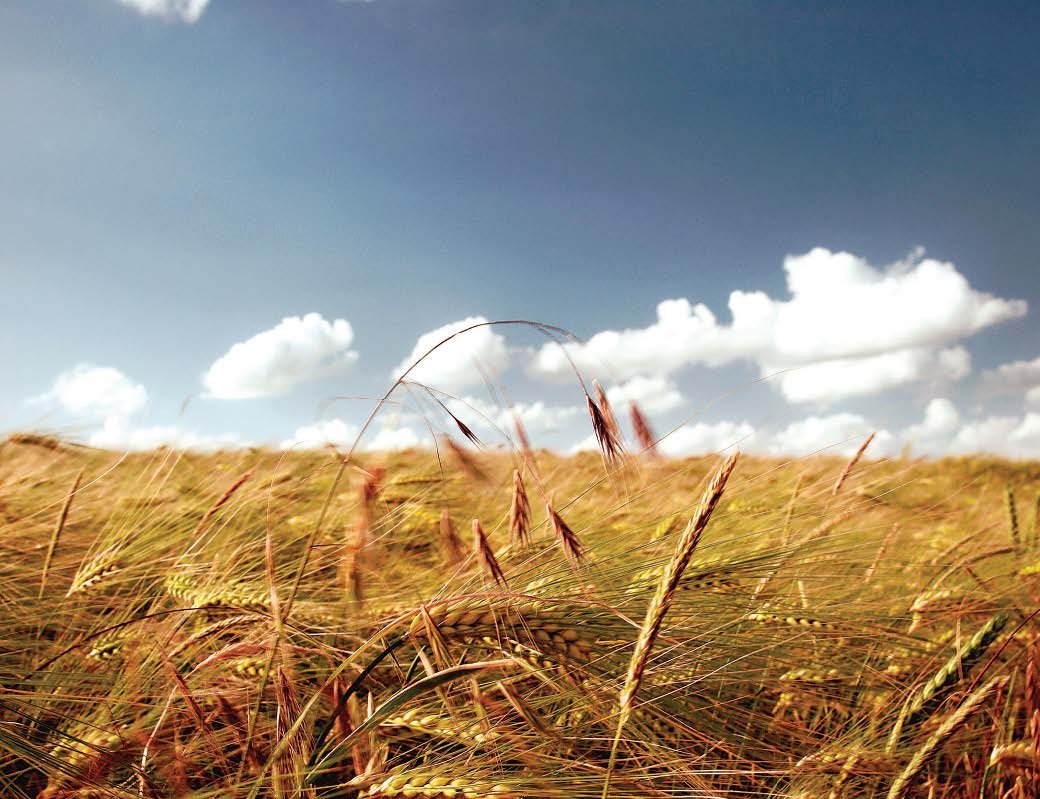
The growing use of mechanised harvesting is rapidly transforming wheat farming in Khanewal, one of Pakistan’s major agricultural regions. Traditional harvesting methods that once relied on large groups of labourers are now being replaced by advanced machines capable of completing the same work in just a few hours.
Modern harvesting machines not only cut wheat crops but also separate grain from straw in a single process, significantly improving efficiency and reducing the risks posed by unpredictable weather. Farmers say this shift helps protect crops and speeds up harvesting during peak seasons.
However, this transformation has brought new financial challenges. The rising cost of diesel and machinery rentals has increased harvesting expenses from around Rs5,000 per acre to nearly Rs8,000 per acre. Alongside this, input costs such as fertilisers and pesticides have also surged, putting additional pressure on farmers’ profits.
For rural labourers, the impact has been even more severe. Mechanisation has drastically reduced seasonal employment opportunities, leaving many workers without income during the harvest season. Previously, labourers earned wages and often received wheat as part of their compensation, helping sustain their families for months.
Experts believe that while mechanisation is essential for modernising agriculture and improving productivity, it must be balanced with policies that support affected communities. They stress the importance of creating alternative job opportunities and introducing social protection measures for displaced workers.
Environmental concerns are also being raised, as increased use of heavy machinery leads to higher fuel consumption and noise pollution in rural areas.
As mechanised harvesting continues to expand, it is reshaping Pakistan’s agricultural landscape—bringing efficiency and speed, but also creating economic and social challenges that need urgent attention.