

South Punjab Grazing Lands Under Threat as Indus Water Uncertainty Raises Concerns
ISLAMABAD – Natural grazing lands along the riverine regions of South Punjab are facing increasing pressure as concerns grow over potential water shortages linked to uncertainty surrounding the Indus Waters Treaty. Experts, environmentalists, and local farmers have warned that prolonged reductions in river flows could significantly impact livestock production, rural livelihoods, and food security across the region.
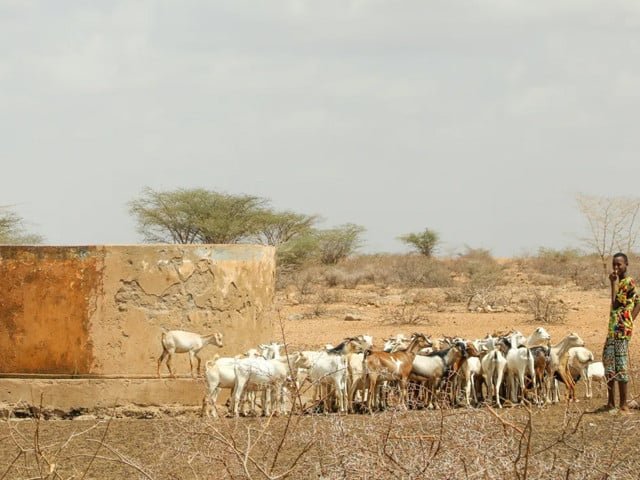
For generations, communities living along the rivers of South Punjab have depended on extensive charagahs, or natural grazing lands, which provide free and abundant fodder for livestock. These fertile riverbank ecosystems support thousands of cattle, buffaloes, goats, and sheep, helping farmers reduce feeding costs while maintaining healthy animal production.
Agricultural experts believe that any disruption to water availability could have serious consequences for these fragile ecosystems. Reduced river flows may limit vegetation growth, decrease soil moisture, and gradually weaken the natural pastures that livestock depend upon throughout the year.
Livestock specialist Dr. Jamshaid Akhtar emphasized the direct relationship between healthy grazing lands and productive livestock farming. According to him, strong pasture systems contribute significantly to animal health, milk production, and meat output. He warned that shrinking grazing areas would force farmers to spend more on commercial animal feed, increasing production costs and reducing profitability.
Environmental experts have also expressed concern about the long-term ecological consequences of declining water availability. Environmental analyst Adnan Tariq noted that lower moisture levels can transform productive grazing areas into dry and barren land, reducing biodiversity and weakening the sustainability of local ecosystems.
Local farmers say the issue is not only environmental but also economic. Many families across South Punjab rely heavily on livestock as a primary source of income. Riverbank grazing lands provide an affordable feeding solution that enables small-scale farmers to maintain their herds without excessive expenses.
Farmer Laique Sheikhana explained that thousands of families depend directly on these natural resources for their livelihoods. He warned that if water shortages continue and river ecosystems deteriorate, the impact would be felt across entire communities through declining livestock health and reduced household incomes.
The growing concern is linked to ongoing uncertainty surrounding the Indus Waters Treaty (IWT), a landmark water-sharing agreement signed between Pakistan and India in 1960 with the support of the World Bank. The treaty has historically governed the distribution and management of river waters between the two countries and has remained in force despite periods of political tension.
Earlier, India announced that it was placing the treaty in abeyance, a move that raised concerns among water experts and policymakers in Pakistan. The development intensified debates regarding the future of regional water cooperation and the potential consequences for downstream communities that depend on river systems for agriculture and livestock.
More recently, the International Court of Arbitration in The Hague issued a ruling related to disputes surrounding the Kishenganga and Ratle hydroelectric projects. The court reaffirmed that no country can unilaterally suspend the Indus Waters Treaty, reinforcing the legal framework governing water-sharing arrangements between the two nations.
Political analysts and legal experts have interpreted the ruling as a significant development for Pakistan’s position regarding water rights and treaty obligations. They argue that international agreements remain binding and should be respected regardless of political disagreements.
Experts warn that any sustained disruption to river flows could have broader economic consequences beyond livestock farming. Reduced animal productivity may contribute to higher prices for milk, meat, and dairy products, placing additional pressure on consumers already dealing with economic challenges.
Food security specialists also caution that weakening livestock sectors can contribute to rural poverty and threaten agricultural sustainability. Livestock remains a critical component of Pakistan’s rural economy, supporting millions of households through income generation, nutrition, and employment opportunities.
Experts have urged international stakeholders, including the World Bank and relevant global institutions, to encourage dialogue and ensure that treaty obligations are upheld. They emphasize that water-related disputes should be resolved through legal mechanisms, diplomatic engagement, and mutual cooperation rather than unilateral actions.
As concerns over water availability continue to grow, communities in South Punjab remain focused on protecting the river ecosystems that support their livelihoods. Farmers, environmentalists, and policy experts agree that preserving natural grazing lands is essential for sustaining livestock production, supporting rural economies, and ensuring long-term food security.
The future of these valuable riverine ecosystems will largely depend on responsible water management, regional cooperation, and continued efforts to safeguard one of Pakistan’s most important agricultural and environmental resources.