

Pakistan is strengthening its agricultural partnership with China as both nations approach 75 years of diplomatic relations in 2026. The collaboration is expanding rapidly under the second phase of China-Pakistan Economic Corridor (CPEC), focusing on modern farming techniques, hybrid seeds, research, and export growth.
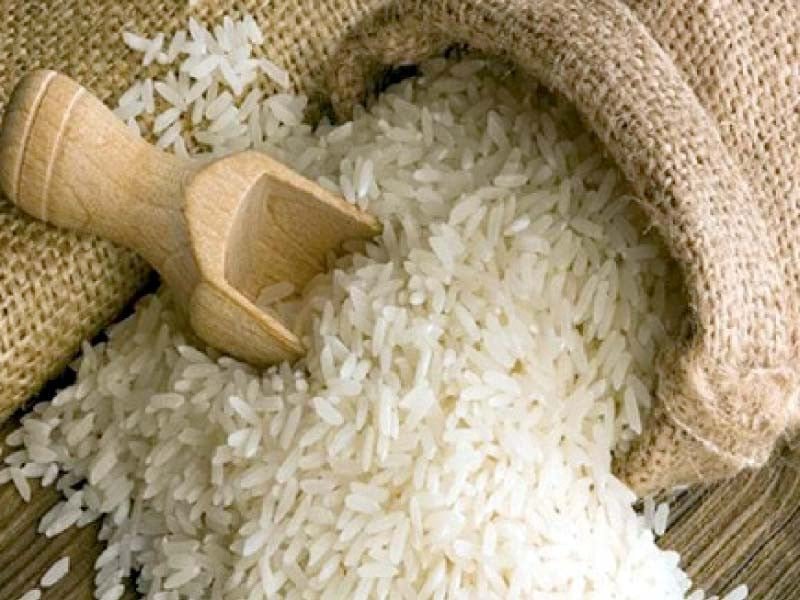
The growing adoption of Chinese hybrid rice in Punjab highlights a broader transformation in Pakistan’s agricultural sector. China’s successful farm model—built on advanced seed technology, precision irrigation, and digital supply systems—is now being adapted to improve productivity and efficiency in Pakistan.
Key initiatives include joint research programs at institutions like the University of Agriculture Faisalabad, where collaboration with Chinese companies has led to higher crop yields, particularly in maize and soybean production. Additionally, specialized centres such as the Pakistan-China Hybrid Rice Research Centre are developing crop varieties suited to local environmental conditions.
Agricultural cooperation is also boosting exports. In Sindh, chilli farming has significantly improved through Chinese-supported hybrid seeds and modern drying techniques, enabling farmers to meet international quality standards and export directly to Chinese markets. Similarly, Pakistani mangoes, oranges, and meat products are reaching Chinese consumers faster through improved cold storage and logistics systems.
The partnership extends to fisheries as well, with modern fish farming techniques being introduced along the Makran coast, increasing seafood production and export potential.
This collaboration benefits both countries—China secures reliable food supply chains, while Pakistan gains access to advanced technology, investment, and global markets. Training programs and student exchanges are also playing a crucial role in developing human capital in agriculture.
As Pakistan and China prepare to celebrate 75 years of diplomatic relations, their growing agricultural partnership reflects a shift toward sustainable development, food security, and economic growth through innovation and cooperation.