

Pakistan’s inflation rate surged to 11.7 percent in May 2026, reaching its highest level in 22 months and raising concerns about the country’s economic outlook. According to data released by the Pakistan Bureau of Statistics (PBS), headline Consumer Price Index (CPI) inflation increased from 10.9 percent in April to 11.7 percent in May on a year-on-year basis. This significant rise highlights the growing economic pressure caused by increasing energy prices and ongoing geopolitical tensions in the Middle East.
The latest inflation figure is the highest recorded since July 2024 and comes shortly after the government announced ambitious economic targets for FY2026-27. These targets include achieving 4 percent GDP growth while maintaining inflation at 8.2 percent. However, economists believe that the current global environment could make these goals difficult to achieve.
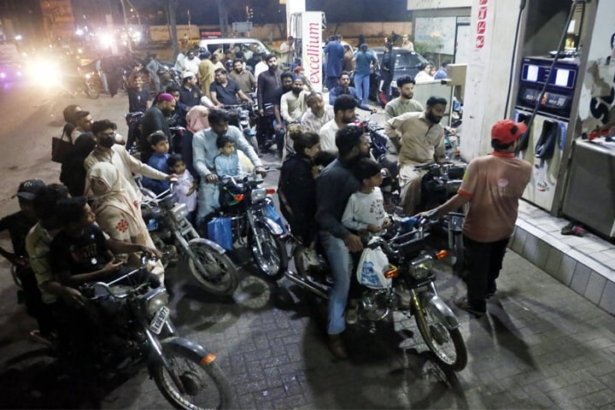
One of the primary drivers behind rising inflation is the ongoing U.S.-Iran conflict, which has significantly disrupted global energy markets. Tensions in the region have pushed international crude oil prices above $100 per barrel, with prices temporarily approaching $120 per barrel. Since Pakistan relies heavily on imported oil and liquefied natural gas (LNG), these developments have directly increased the country’s import bill and contributed to higher inflation.
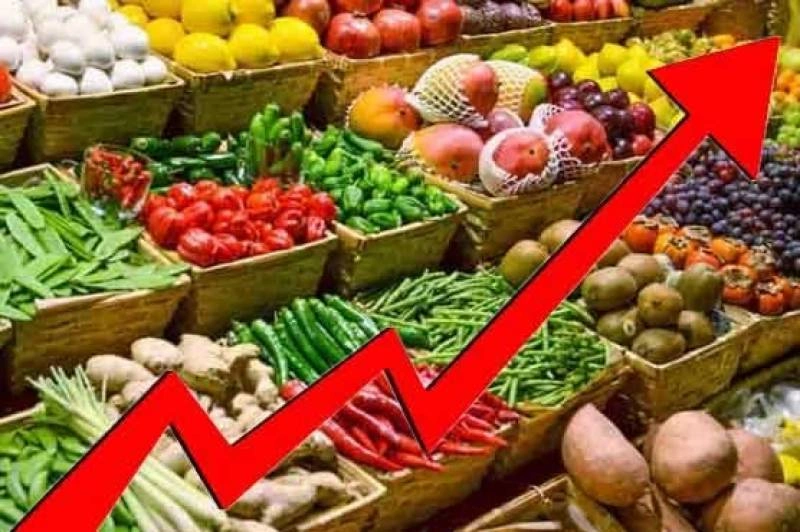
The PBS data shows that urban inflation rose to 11.8 percent in May, compared to 11.1 percent in April. Rural inflation also increased from 10.6 percent to 11.5 percent during the same period. Additionally, the Sensitive Price Indicator (SPI), which tracks the prices of essential consumer goods, recorded a 12 percent increase year-on-year, indicating that households continue to face rising living costs.
Economic analysts warn that elevated energy prices affect nearly every sector of the economy. Higher fuel costs increase transportation expenses, electricity generation costs, agricultural production expenses, and manufacturing costs. These increases are eventually passed on to consumers through higher prices for goods and services.
Experts have also expressed concern about the impact on Pakistan’s external sector. Rising oil prices have significantly increased the country’s energy import bill, placing pressure on foreign exchange reserves and the Pakistani rupee. A weaker currency can further accelerate inflation by making imported products more expensive.
Despite these challenges, Pakistan’s economy has shown signs of recovery. Officials reported provisional economic growth of 3.7 percent during FY2025-26, supported by improvements in industrial output and the services sector. Exports reached $34 billion, while workers’ remittances climbed to $33.9 billion, providing important support to the economy.
The government remains committed to promoting export-led growth and reducing dependence on external borrowing. Federal Minister for Planning Ahsan Iqbal emphasized that exports are essential for achieving long-term economic stability and national economic sovereignty. Infrastructure development, industrial expansion, and foreign investment continue to be key components of the government’s economic strategy.
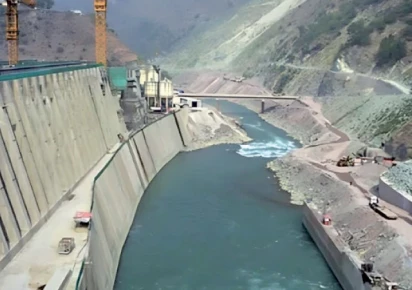
Major development projects under the China-Pakistan Economic Corridor (CPEC) are expected to play a significant role in supporting future economic growth. The government plans to allocate more than 98 percent of development resources to ongoing projects in energy, transport, water management, and other critical infrastructure sectors.
However, economists caution that inflation remains one of the biggest threats to Pakistan’s economic stability. If global oil prices remain above $100 per barrel and geopolitical tensions continue, inflation could stay in double digits for much of FY2026-27. Such a scenario would increase financial pressure on households through higher food prices, transportation costs, and electricity bills.
Analysts believe that future inflation trends will largely depend on developments in global energy markets, exchange-rate stability, fiscal discipline, and regional geopolitical conditions. While strong exports, rising remittances, and infrastructure investments provide positive signals, controlling inflation will remain a major challenge for policymakers in the coming fiscal year.