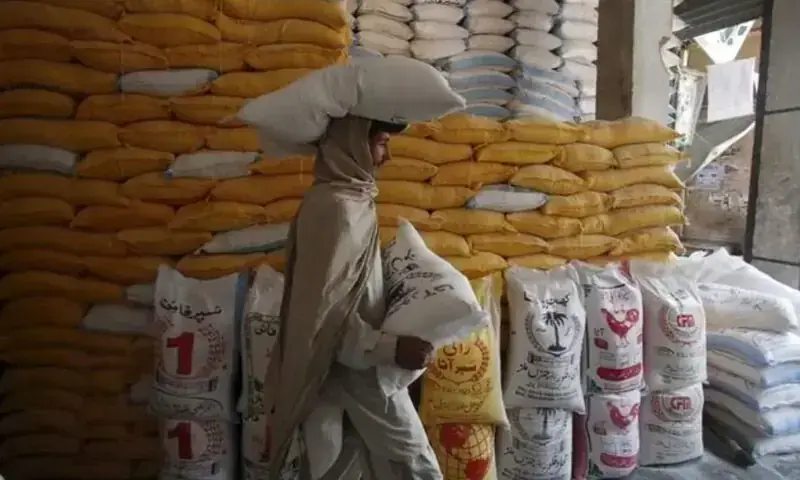


Pakistan has been listed among the top 10 countries facing severe food insecurity, according to a UN-backed Global Report on Food Crises 2026. The report highlights that nearly two-thirds of the world’s hungry population is concentrated in just ten countries, including Pakistan, Afghanistan, Sudan, Nigeria, and Yemen.
The findings reveal that conflict remains the primary driver of hunger worldwide, while climate change and economic instability continue to worsen food shortages. In Pakistan, rising inflation, increasing fertilizer costs, and global supply disruptions are contributing to the growing food crisis.
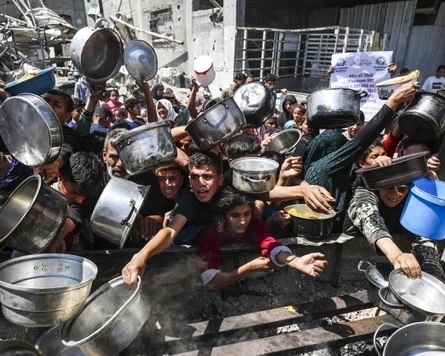
The report also points out that global hunger levels have nearly doubled since 2016, with around 266 million people facing acute food insecurity. Alarmingly, famine conditions have been confirmed in regions such as Gaza and Sudan, marking a significant deterioration in global food conditions.
Experts warn that the outlook for 2026 remains bleak, as ongoing conflicts and environmental challenges are expected to further impact agricultural production. Rising oil prices and disruptions in key supply routes like the Strait of Hormuz have also increased fertilizer costs, making farming more difficult for developing countries.
International organizations are urging governments to invest in sustainable agriculture, support small farmers, and improve food systems to prevent the crisis from escalating further. Without immediate action, millions more could fall into extreme hunger in the coming months.