

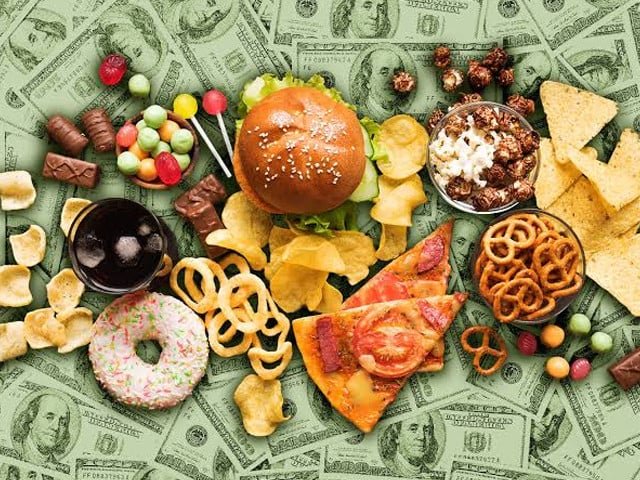
Several Pakistani lawmakers have endorsed the Pakistan National Heart Association (PANAH)’s proposal to impose higher taxes on ultra-processed foods and sugary beverages as part of efforts to tackle the country’s growing burden of non-communicable diseases (NCDs).
The support came during a post-budget consultative meeting held in Islamabad, where parliamentarians and public health experts discussed the rising rates of obesity, diabetes, cardiovascular diseases, and other chronic illnesses in Pakistan. Participants emphasized the need for stronger fiscal measures to discourage the consumption of unhealthy food products.
According to details shared during the meeting, several members of the National Assembly signed a draft recommendation supporting PANAH’s proposal for increased taxation on ultra-processed foods and beverages high in sugar, salt, and unhealthy fats. The initiative aims to encourage healthier dietary habits while improving long-term public health outcomes.
The consultation was attended by several lawmakers, including Shazia Aslam Soomro, Shahida Rehmani, Ramesh Lal, Nazir Ahmed Bughio, Sadiq Ali Memon, Haji Rasool Bux Chandio, Khursheed Ahmed Junejo, Samina Khalid Ghurki, Sophia Saeed, Rana Ansar, Musarrat Rafiq, Riaz Fatyana, Dr. Azeemuddin Zahid Lakhvi, Muhammad Saadullah, Owais Jakhar, former MNA Dr. Nisar Cheema, PANAH Secretary General Sanaullah Ghumman, and other health experts.
Health experts at the meeting expressed concern over Pakistan’s rapidly increasing rates of non-communicable diseases. According to figures presented during the consultation, more than 41% of adults in Pakistan are either overweight or obese, while over 35 million people are currently living with diabetes. Experts warned that if effective preventive measures are not introduced, the number of diabetes patients could rise to 70 million by the year 2050.
Addressing the participants, PANAH Secretary General Sanaullah Ghumman stated that unhealthy eating habits and the widespread consumption of ultra-processed foods are major contributors to obesity, diabetes, heart disease, and other chronic illnesses. He noted that taxation on unhealthy products has been successfully implemented in several countries as an evidence-based strategy to reduce consumption and improve public health.
The proposal forms part of broader post-budget discussions on healthcare policy and preventive measures. Supporters believe that introducing higher taxes on junk food and sugary beverages could help reduce disease risks, encourage healthier food choices, and lower the long-term healthcare burden on Pakistan’s economy.