
Sindh opposes Pakistan wheat import plan, calls for use of local wheat surplus
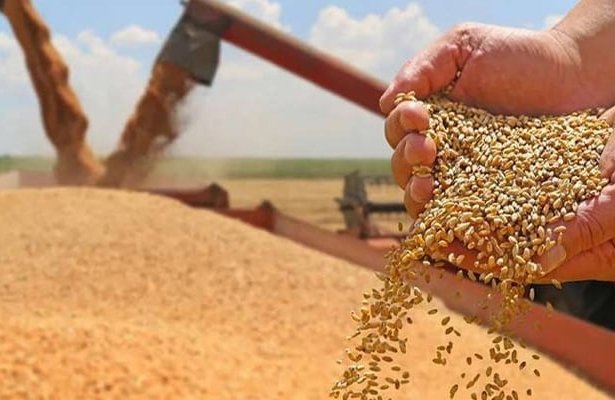
The Sindh government has strongly opposed the federal government’s decision to import wheat, arguing that the country has sufficient domestic production and that imports could negatively impact local farmers and the agriculture sector.
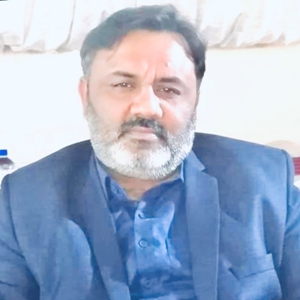
Sindh Food Minister Makhdoom Mehboob-uz-Zaman said the province does not support wheat imports at a time when locally produced wheat is available in adequate quantities. He warned that imported wheat would reduce demand for domestic crops, placing additional financial pressure on farmers already facing rising production costs.
The minister also criticized the Punjab government for restricting the inter-provincial movement of wheat. According to him, Punjab currently holds a surplus of approximately seven million metric tons of wheat, while Sindh is facing a shortage of nearly one million metric tons.
He said that allowing the smooth movement of wheat between provinces would help bridge supply gaps, ensure better distribution, and eliminate the need for costly imports.
Makhdoom Mehboob-uz-Zaman added that the Sindh government intends to purchase wheat from the Pakistan Agricultural Storage and Services Corporation (PASSCO) to achieve its procurement targets. He stressed that available domestic resources should be fully utilized before considering the import of wheat from abroad.
Speaking about market conditions, the food minister said wheat flour in Karachi is currently being sold at Rs130 to Rs140 per kilogram. He emphasized that improved coordination between the federal and provincial governments, along with efficient distribution of locally available wheat, would help stabilize supplies, keep prices under control, and safeguard the interests of both consumers and farmers.
The Sindh government maintains that strengthening domestic procurement, improving inter-provincial coordination, and making better use of existing wheat stocks remain the most effective approach to ensuring food security while supporting Pakistan’s agricultural economy.