

Punjab strengthens urban flood management with advanced monsoon preparedness measures
FAISALABAD: The Punjab Water and Sanitation Authority (PWASA) has intensified its monsoon preparedness efforts by deploying advanced machinery, completing extensive desilting operations, and launching a modern command and control system to improve urban flood management and emergency response across the province.
Speaking to reporters, PWASA Director General Tayyab Fareed said the authority has removed nearly 650,000 tonnes of solid waste while completing the cleaning of drains, sewer lines, and manholes before the peak monsoon season. He added that a state-of-the-art Central Command and Control Room, equipped with 13 digital dashboards, is now providing real-time monitoring of rainfall, drainage systems, and water accumulation across Punjab.
Fareed said PWASA was established under the Punjab Water and Sanitation Act 2024, initially taking over the province’s five existing Water and Sanitation Agencies (WASAs). The network has since expanded in phases, increasing the total number of district-level WASAs to 41.
He noted that this year’s monsoon season arrived nearly two weeks later than usual, with heavy rainfall recorded during the second half of July in several districts, including Lahore, Gujranwala, Gujrat, Sialkot, Sheikhupura, Okara, and Nankana Sahib.
To improve drainage capacity, PWASA completed a 45-day province-wide desilting campaign, with all activities digitally monitored to enhance transparency, accountability, and operational efficiency.
The Punjab government has also invested heavily in modern sanitation equipment. Machinery worth Rs6.5 billion has been procured for 15 major cities, while another Rs7.5 billion has been allocated to equip newly established WASAs in smaller districts.
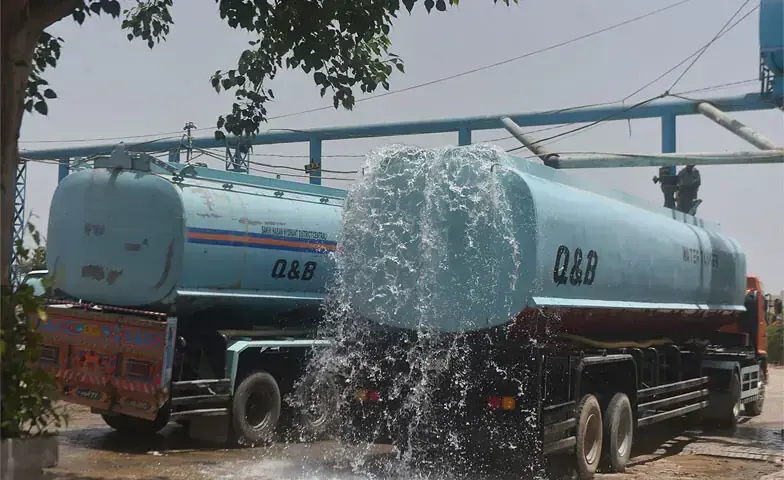
According to PWASA, approximately 950 machinery units—including dewatering pumps, cranes, tractor-trolleys, backhoe loaders, and other specialized equipment—will eventually be deployed across Punjab. More than 300 units have already been delivered to operational teams to strengthen emergency response during heavy rainfall.
Fareed said the central command centre works closely with field staff while coordinating with the Punjab Safe Cities Authority, Rescue 1122, and the Provincial Disaster Management Authority (PDMA) to ensure rapid responses to flooding and drainage emergencies.
The authority is also focusing on long-term water management solutions. Plans include a Rs55 billion wastewater treatment project in Lahore and another project of similar value aimed at treating water from the BRB Canal to provide a sustainable surface water supply and reduce dependence on groundwater resources.
In addition, PWASA has completed the construction of 18 underground rainwater storage tanks in Lahore and 10 more in Faisalabad, Gujranwala, Sheikhupura, Nankana Sahib, Okara, and Sahiwal. These tanks are currently collecting rainwater during the monsoon season and are emptied after rainfall to prepare for future weather events, helping improve urban flood resilience across Punjab.
With enhanced infrastructure, modern monitoring systems, and improved coordination among emergency agencies, Punjab aims to minimize the impact of heavy monsoon rains and strengthen its urban flood management capabilities.