

Pakistan has taken a significant step toward transforming its agriculture sector as Prime Minister Shehbaz Sharif directed the early formulation of a comprehensive National Agriculture Policy in consultation with provincial governments. The announcement aims to modernize farming, improve crop productivity, strengthen food security, and unlock sustainable economic growth through innovation, technology, and better policymaking.
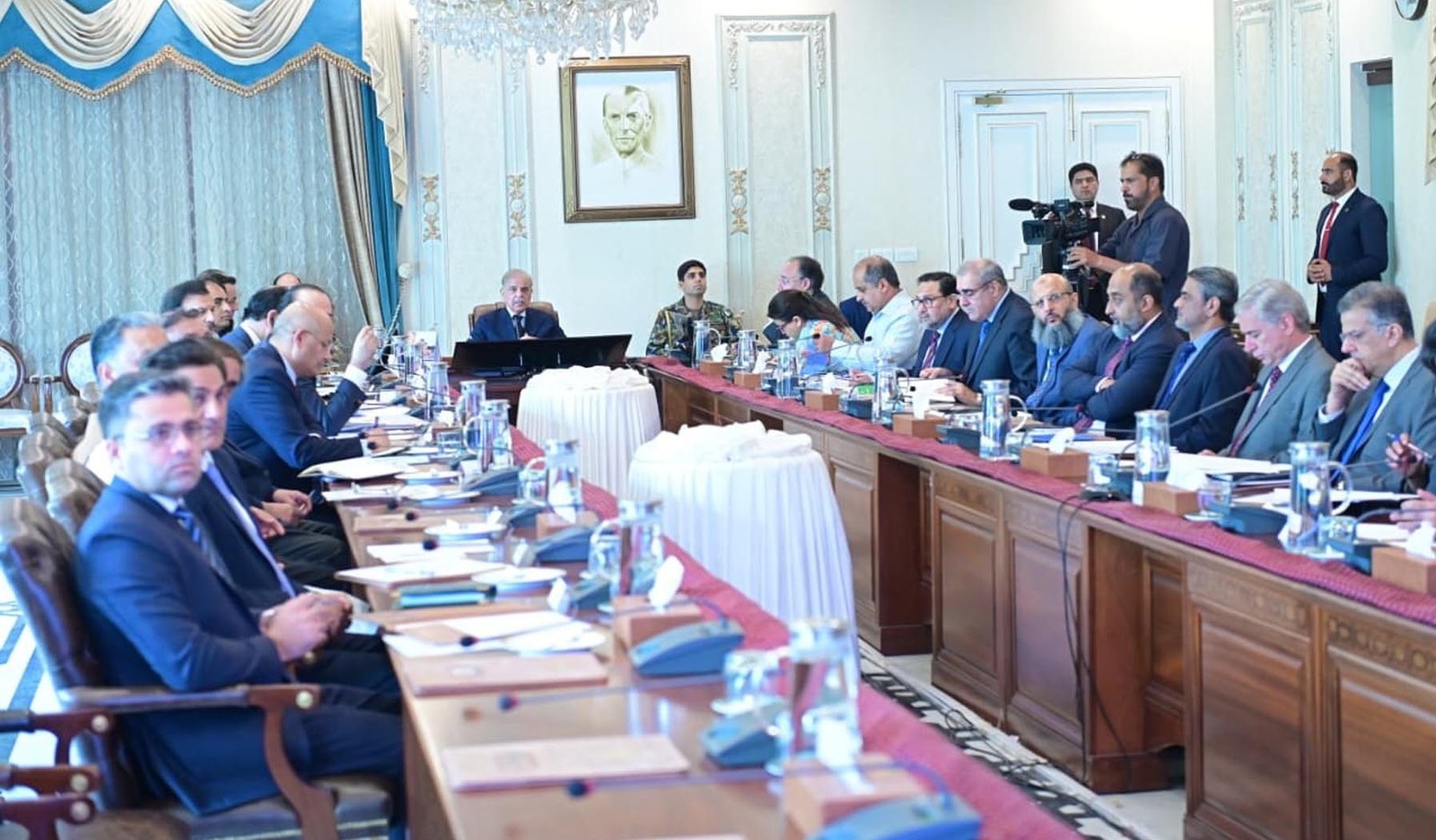
During a high-level meeting on agricultural reforms and the restructuring of the Ministry of National Food Security and Research, the prime minister ordered the creation of a monthly Agriculture Apex Forum. The forum will monitor the implementation of agriculture reforms, review progress on innovation initiatives, and ensure effective coordination between federal and provincial authorities.
To improve financial inclusion for farmers, the government also directed the launch of a nationwide awareness campaign for the Zarkhez-e Agricultural Loan Programme, which is designed to provide easier access to affordable agricultural financing. Officials informed the meeting that the National Credit Guarantee Company Limited will also play a key role in supporting farmers by improving access to credit and financial services.
Prime Minister Shehbaz Sharif emphasized that Pakistan’s agriculture sector has the potential to become a major contributor to long-term economic development. He stressed the importance of high-quality seeds, modern irrigation systems, advanced farming technologies, and the timely availability of fertilizers and water to significantly improve per-acre crop yields.
The government also plans to promote value-added agricultural products, strengthen warehousing facilities, and develop modern storage infrastructure to reduce post-harvest losses. These measures are expected to increase farmers’ incomes while improving the overall efficiency of Pakistan’s agricultural supply chain.
Officials briefed the prime minister on several ongoing initiatives, including the production of multi-grain flour at the National Agricultural Research Centre (NARC) and the development of an artificial intelligence-based mobile application that will help farmers identify crop diseases and pests more accurately. The AI-powered solution aims to improve decision-making and reduce crop losses through early detection and timely intervention.
The meeting was informed that the National Seed Policy and National Agriculture Biotechnology Policy have already been approved, while consultations on the Pakistan National Olive Value Chain Policy have been completed. Work is also progressing on a new National Wheat Policy and several livestock-related policies as part of the government’s broader strategy to modernize Pakistan’s agriculture sector.
Separately, Prime Minister Shehbaz Sharif welcomed the successful First Financial Closing of the Pakistan International Airlines (PIA) privatization transaction. He described the development as a historic milestone that reflects Pakistan’s commitment to economic reforms, transparent privatization, and attracting domestic and international investment.
The government’s latest agriculture roadmap demonstrates a strong commitment to modern farming practices, technological innovation, improved financing, and sustainable agricultural development. If implemented effectively, these reforms could enhance food security, strengthen rural livelihoods, increase agricultural exports, and position Pakistan’s agriculture sector as a key driver of future economic growth.