
Members of the Khyber Pakhtunkhwa (KP) Assembly have urged the provincial government to impose a tax on tobacco transported to other provinces for cigarette manufacturing, highlighting concerns over economic imbalance and farmer losses.
During a session chaired by Speaker Babar Saleem Swati, lawmakers pointed out that KP produces the majority of Pakistan’s tobacco, particularly flue-cured Virginia tobacco, yet the province gains minimal financial benefit. This is largely because cigarette manufacturing units are located in other regions such as Punjab and Azad Jammu and Kashmir, including tax-free zones.
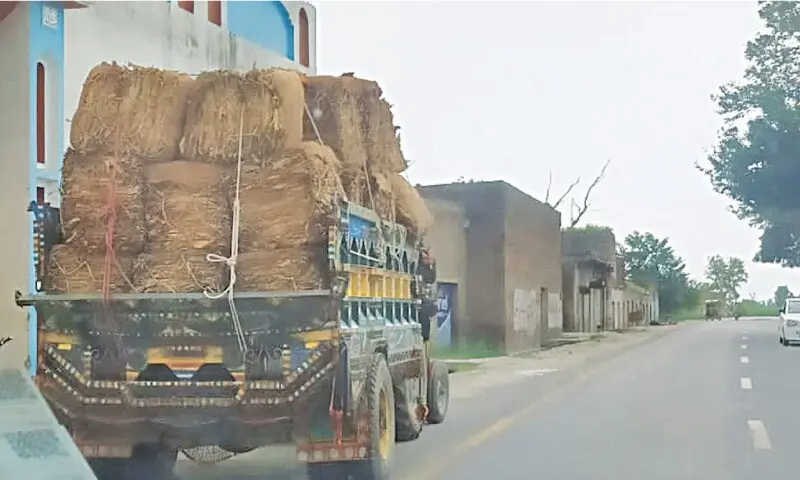
Treasury member Abdul Karim Khan raised the issue, stating that although KP contributes nearly all of the country’s tobacco production, the absence of local manufacturing industries deprives the province and its farmers of fair economic returns. He emphasized that tobacco companies transport raw materials out of KP, where cigarettes are produced and taxed elsewhere.
Lawmakers expressed concern over the economic challenges faced by the province, noting that lack of opportunities could contribute to rising social issues. They stressed the importance of introducing a tax mechanism on tobacco transportation to ensure that KP benefits from its own agricultural output.
The issue of declining tobacco prices was also highlighted, with farmers reportedly facing losses as crop prices dropped below previous levels. Assembly members called for stronger government intervention to protect growers and stabilize the market.
In response, Excise and Taxation Minister Syed Fakhr-i-Jahan acknowledged the issue, explaining that under the current system, KP receives only a development cess, while federal excise duties are collected where cigarette factories are located.
Speaker Swati directed the formation of a special committee to examine the matter in detail and propose solutions. The committee is expected to review the economic, legal, and policy aspects of the issue and recommend measures to ensure fair revenue distribution.
The discussion reflects growing demands for policy reforms aimed at protecting provincial resources, supporting farmers, and promoting industrial development within Khyber Pakhtunkhwa.