

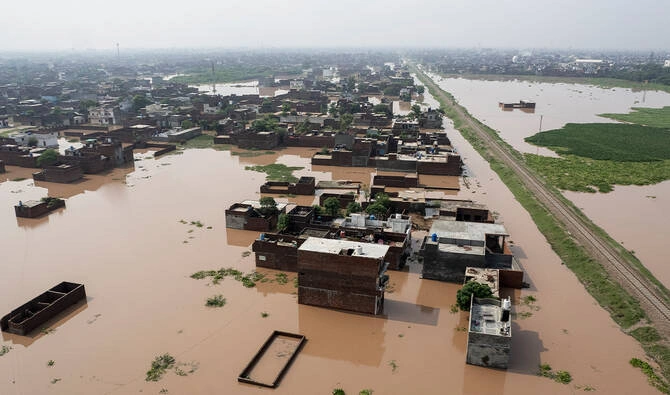
ISLAMABAD: Pakistan’s monsoon-related death toll has climbed to 151 since June 26, according to the National Disaster Management Authority (NDMA), as authorities brace for another spell of rainfall expected to affect several parts of the country from August 8.
Khyber Pakhtunkhwa has recorded the highest number of fatalities, with 64 deaths, followed by Punjab with 53, Sindh with 15, Azad Jammu and Kashmir with 10, Balochistan with 8, and Gilgit-Baltistan with one death.
The NDMA said most fatalities during the current monsoon season were caused by drowning, house collapses, electrocution and flash floods. At least 448 people have also been injured, including 150 children, 108 women and 190 men.
In its latest situation report, the disaster management authority warned that a fresh wet spell is expected to begin on August 8, with moderate rainfall likely at scattered locations across Punjab, northeast Sindh and Khyber Pakhtunkhwa.
The NDMA further warned that a westerly weather system is expected to enter the upper parts of Pakistan from August 10. The system could bring moderate to heavy rainfall to the upper catchments of major rivers, as well as Islamabad, Azad Jammu and Kashmir, Gilgit-Baltistan, Khyber Pakhtunkhwa and upper Punjab.
The latest warning has prompted authorities to strengthen preparedness and emergency response measures, particularly in areas vulnerable to flash floods, landslides, urban flooding and riverine flooding.
Pakistan remains highly vulnerable to extreme weather events linked to climate change despite contributing less than one percent of global greenhouse gas emissions. The devastating floods of 2022 affected nearly one-third of the country, killed more than 1,700 people and caused billions of dollars in economic losses.
Since the 2022 floods, authorities have expanded weather monitoring, glacial lake surveillance, forecasting systems and emergency coordination mechanisms to improve the country’s ability to respond to extreme weather.
However, increasingly unpredictable weather patterns continue to pose serious challenges. Pakistan has experienced severe heatwaves, drought conditions and destructive rainfall in recent years, while climate experts have warned that rising global temperatures can increase the intensity and frequency of extreme weather events.
With another wet spell forecast from August 8 and heavier rainfall possible from August 10, authorities have urged relevant departments to remain alert and ensure timely response measures in vulnerable areas.