
Pakistan has announced a national commitment to expand access to primary eye care for up to 60 million people by 2030. The pledge was made at the Global Summit for Eye Health and will be supported through the expansion of Advanced Primary Eye Care (APEC) services across the country.
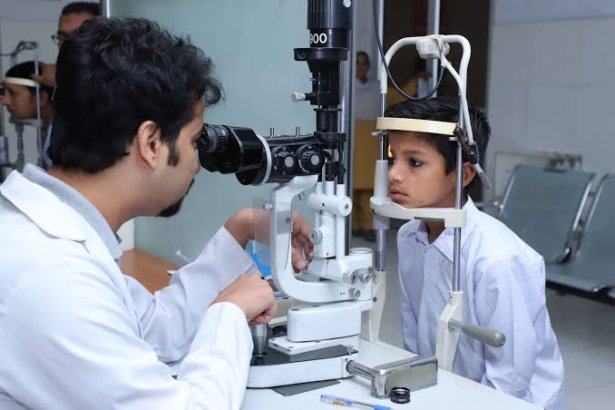
Under the plan, the government aims to operationalise at least 150 additional Rural Health Centres (RHCs) as APEC centres. Each centre will have a trained optometrist and facilities for eye examinations, refraction services, early detection of cataracts, glaucoma and diabetic retinopathy, primary low-vision care, and referrals for further treatment.
The initiative is intended to bring essential eye care services closer to communities, particularly in rural and underserved areas. Women and persons with disabilities are also among the groups the programme aims to reach. The commitment comes as Pakistan’s population is projected to approach 277 million by 2030.
The announcement also highlights the potential economic and social benefits of investing in eye health. According to the International Agency for the Prevention of Blindness (IAPB), an investment of US$148 million in Pakistan’s eye health sector between 2026 and 2030 could generate US$709 million in economic benefits. The analysis also estimates that such investment could avert 367 deaths among older adults, prevent more than 43,000 cases of depression and provide the equivalent of over 32,000 additional years of schooling.
Pakistan has also pledged to strengthen its eye health workforce by establishing or improving four public-sector optical technician training programmes. The target is to train at least 200 optical technicians by 2030. In addition, harmonised eye health indicators will be incorporated into the District Health Information System to help monitor service delivery and progress towards national and global targets.
SightSavers is among the organisations working to improve access to eye care in Pakistan, particularly through community-based services for underserved populations. Munazza Gillani, Director for Pakistan and the Middle East at Sightsavers, highlighted the importance of basic eye care, including access to glasses, cataract surgery and treatment for conditions such as trachoma and river blindness.
Gillani also emphasised the need for cooperation between governments, partner organisations and communities to extend services to remote areas. The national commitment aims to improve access to essential eye care while supporting better health, education and economic opportunities across Pakistan.