

Pakistan has increased the prices of petrol and high-speed diesel (HSD), with petrol now selling at Rs391.22 per litre and diesel reaching Rs421.45 per litre.
The latest revision has increased the petrol price by Rs6.88 per litre, while the price of high-speed diesel has gone up by Rs5.62 per litre. The increase comes shortly after another adjustment that raised petrol by Rs4.10 per litre and HSD by Rs6.41 per litre.
The repeated changes are taking place under the government’s daily petroleum pricing mechanism, which was introduced in July to replace the previous weekly review system. The new mechanism allows fuel prices to respond more frequently to fluctuations in international oil markets.
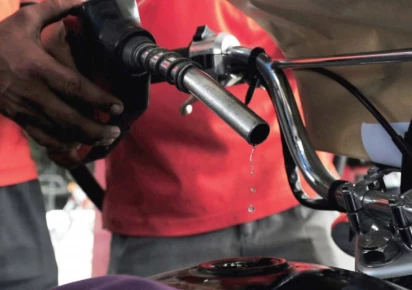
The latest increases are expected to add pressure on household budgets and transportation costs, particularly for people who rely on motorcycles, three-wheelers and smaller vehicles for daily travel and work.
To reduce the impact of rising fuel prices on lower-income consumers, the government has also announced a proposed fuel relief programme. Under the scheme, motorcycles, three-wheelers and cars with engines up to 800cc would be eligible for a fuel subsidy of up to Rs100 per litre.
The government estimates that around 11.8 million people could benefit from the programme. Approximately 10 million motorcycle users and 800,000 three-wheeler users would be eligible for relief on up to 20 litres of fuel per month. This would provide a maximum monthly benefit of Rs2,000 for eligible users.
Around one million owners of cars with engines up to 800cc would also qualify for the proposed relief. These users would be eligible for assistance on up to 30 litres of fuel per month, with a maximum monthly benefit of Rs3,000.
The proposed programme is expected to have a monthly financial impact of approximately Rs24.6 billion. Of this amount, around Rs20 billion would be allocated for motorcycle users, Rs1.6 billion for three-wheelers and Rs3 billion for small cars.
The government’s fuel relief plan comes as international oil markets remain volatile. Changes in global crude prices, geopolitical tensions and concerns over fuel supplies can directly affect Pakistan’s petroleum import costs and domestic fuel prices.
The latest petrol and diesel increases are therefore likely to remain an important economic issue, particularly for consumers and businesses facing higher transportation and operating costs. The proposed subsidy programme is intended to provide targeted relief to users of smaller vehicles while the government continues to monitor developments in international oil markets.