

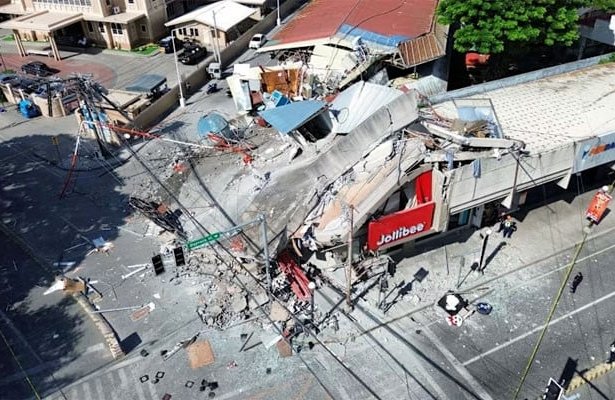
A powerful 6.7-magnitude earthquake struck the southern Philippines, marking the second major seismic event to hit the region within just three weeks. The latest tremor has renewed concerns over the country’s vulnerability to natural disasters and the possibility of further aftershocks.
According to the United States Geological Survey (USGS), the earthquake occurred at a depth of approximately 65 kilometers (40 miles) beneath the Earth’s surface. Although deeper earthquakes generally cause less surface destruction than shallow ones, they can still be widely felt and pose risks to communities and infrastructure.
Emergency authorities immediately launched inspections of buildings, roads, bridges, and other public facilities to assess any potential damage. Initial reports indicated there were no immediate confirmations of major casualties or widespread destruction, although monitoring efforts continued throughout the affected region.
The latest earthquake comes only weeks after another devastating quake struck the same area, claiming around 80 lives and injuring hundreds more. Thousands of residents were displaced as homes, schools, and public buildings suffered extensive damage. The repeated seismic activity has increased concerns among communities still recovering from the previous disaster.
The Philippines is located along the Pacific Ring of Fire, one of the world’s most active seismic zones where several tectonic plates meet. Because of its geographical location, the country experiences thousands of earthquakes every year, along with volcanic eruptions and occasional tsunami threats.
Meanwhile, Japan also experienced seismic activity after a 5.8-magnitude earthquake struck near Honshu, the country’s largest island. According to the European-Mediterranean Seismological Centre (EMSC), the earthquake occurred at a depth of around 20 kilometers.
Japanese authorities reported no immediate casualties, major structural damage, or tsunami warnings. However, emergency officials advised residents to remain cautious and prepared for possible aftershocks.
Japan is recognized as one of the world’s best-prepared countries for earthquakes due to its advanced early warning systems, strict building regulations, and comprehensive disaster management programs that help reduce the impact of powerful seismic events.
The recent earthquakes in both the Philippines and Japan serve as another reminder of the ongoing seismic risks facing countries across the Asia-Pacific region. Experts continue to urge residents to stay informed through official channels, prepare emergency supplies, and follow safety guidelines as aftershocks may continue for days or even weeks.