
ISLAMABAD: Pakistan’s state-owned enterprises (SOEs) faced further financial pressure during the first half of fiscal year 2025-26 as government support increased while their overall contribution to the national exchequer declined sharply.
According to official data presented before the Cabinet Committee on State-Owned Enterprises (CCoSOEs), the government provided Rs804 billion in financial support to SOEs between July and December 2025. The amount stood at Rs616 billion during the same period of the previous fiscal year, showing an increase of Rs188 billion, or 31%.
Meanwhile, SOEs’ contribution to the government declined by 20% to Rs839 billion, compared with Rs1.043 trillion in the corresponding period of FY2024-25.
The sharp increase in government support and decline in contributions resulted in a 91% drop in the net fiscal flow from SOEs to the government. The net flow fell from Rs427 billion in the first half of FY2024-25 to only Rs35 billion during July-December 2025.
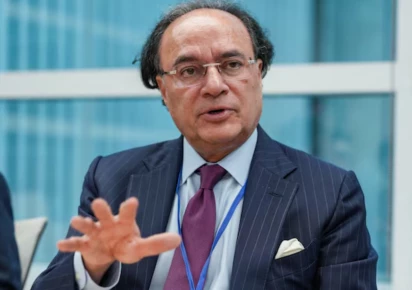
The figures were reviewed by the CCoSOEs under the chairmanship of Finance Minister Muhammad Aurangzeb.
During the six-month period, profitable state-owned companies posted a combined profit of Rs423.3 billion. However, their profits declined by Rs33.7 billion, or 7.3%, compared with the previous year. The Finance Ministry attributed the decline mainly to lower international oil prices.
At the same time, loss-making SOEs recorded combined losses of Rs342.8 billion, with little change from the corresponding period a year earlier.
The latest figures highlight the continuing fiscal challenges associated with Pakistan’s state-owned enterprises. Rising government financial support and weaker returns have significantly reduced the positive fiscal impact these entities provide to the government.
The committee identified several issues requiring attention, including circular debt, fiscal risks, operational weaknesses in the power and infrastructure sectors and weak corporate governance. It also stressed the need to improve the performance and accountability of SOE boards.
The committee called for implementation of approved business plans, measurable performance targets, improved operational efficiency and timely corrective action for underperforming enterprises.
It also approved amendments related to the implementation and monitoring of International Financial Reporting Standards (IFRS) by SOEs. Under the revised framework, financial reporting standards notified by the Securities and Exchange Commission of Pakistan, including applicable modifications or exemptions, will apply to SOEs. For entities regulated by the State Bank of Pakistan, the reporting framework prescribed by the SBP will take precedence.
The proposed changes have also raised concerns within the Finance Ministry. The Central Monitoring Unit reportedly opposed exemptions for certain energy-sector companies, warning that relaxed reporting requirements could affect transparency and make fiscal risks harder to assess.
The unit also maintained that exemptions from IFRS 9 and IFRS 14 could undermine the reform objectives of the SOEs Act, 2023. It stressed that regulatory accounting balances, tariff differences and recoverable amounts should be properly reflected in financial statements.
The data underline the continuing difficulties in reforming Pakistan’s loss-making state enterprises and reducing their dependence on public funds. Improving governance, financial reporting, operational efficiency and accountability remains a key challenge for the government.