

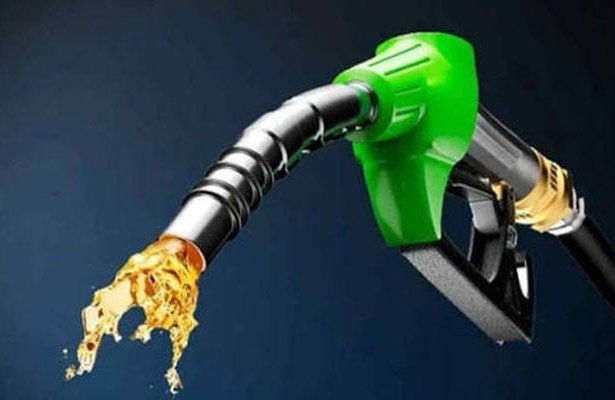
Pakistan is expected to announce a significant increase in petroleum prices during the upcoming fortnightly fuel price review, with high-speed diesel (HSD) likely to become Rs40 per litre more expensive and petrol expected to increase by around Rs10 per litre.
According to officials, the revised fuel prices are expected to take effect from 12:10am on July 18, subject to final approval by the federal government.
The anticipated increase follows a sharp rise in international crude oil prices driven by escalating geopolitical tensions between Iran and the United States. The surge in global oil prices has increased Pakistan’s import costs, making an adjustment in domestic petroleum prices likely.
To reduce the financial impact on consumers, the government is considering lowering the petroleum levy on fuel products. Officials believe that reducing the levy could partially offset the increase in international prices and help limit the rise in retail fuel prices. A final decision is expected before the official price announcement.
Meanwhile, authorities have stepped up efforts to prevent artificial shortages and profiteering. The National Committee on Monitoring and Coordination (NCMC) has taken notice of reports that some traders and fuel dealers are allegedly hoarding petroleum products ahead of the expected price hike.
The committee has directed the Oil and Gas Regulatory Authority (OGRA) to take immediate action against hoarders and ensure an uninterrupted supply of petroleum products across the country.
Officials have also been instructed to closely monitor fuel stations, oil depots, and supply chains to prevent illegal stockpiling and market manipulation. Provincial administrations have been asked to remain vigilant and take strict action against anyone violating fuel supply regulations.
The expected increase in fuel prices reflects continued volatility in international energy markets, where uncertainty caused by Middle East tensions has pushed crude oil prices higher, affecting countries like Pakistan that rely heavily on imported petroleum products.